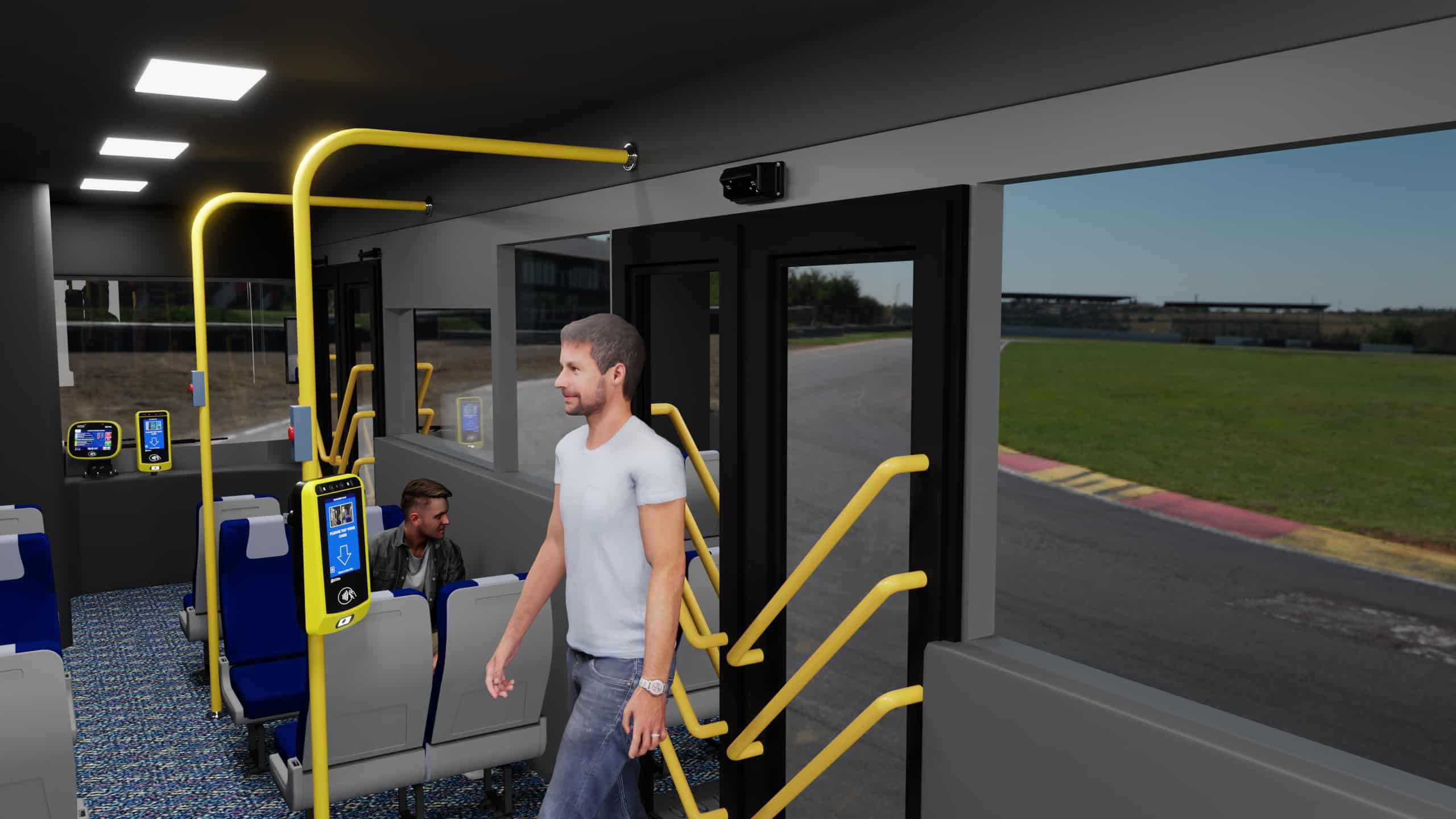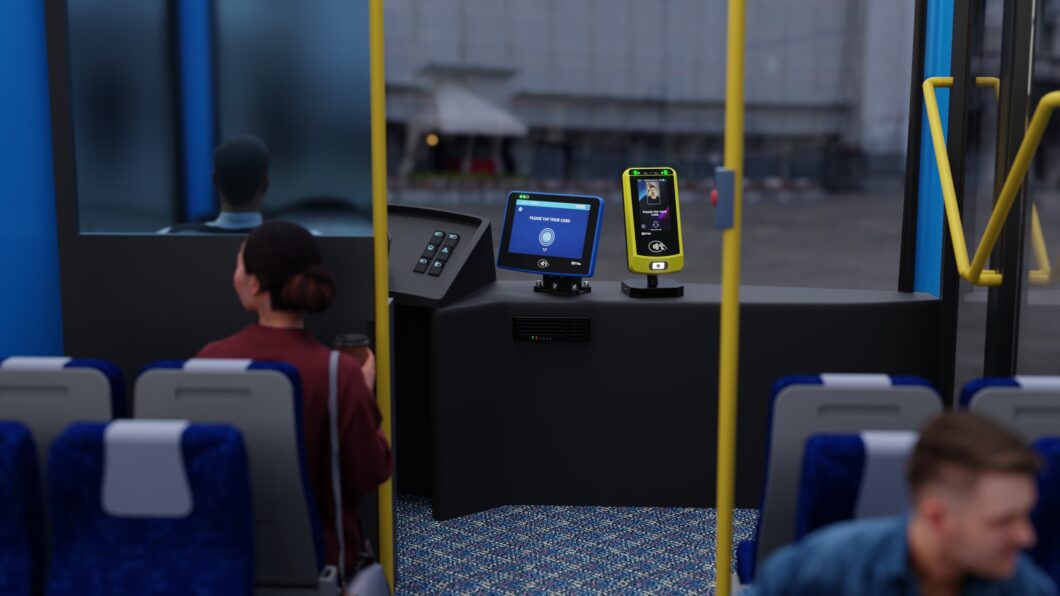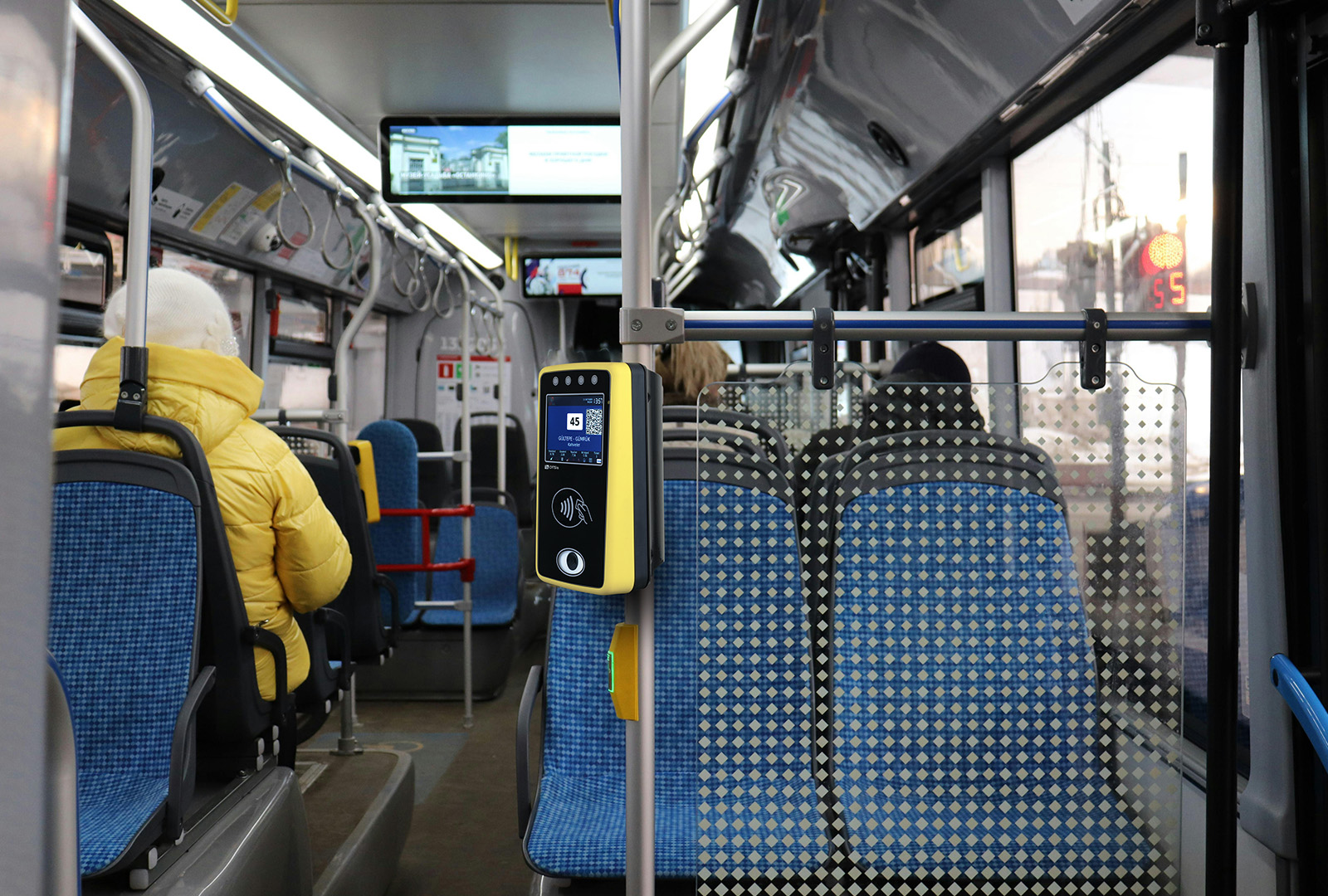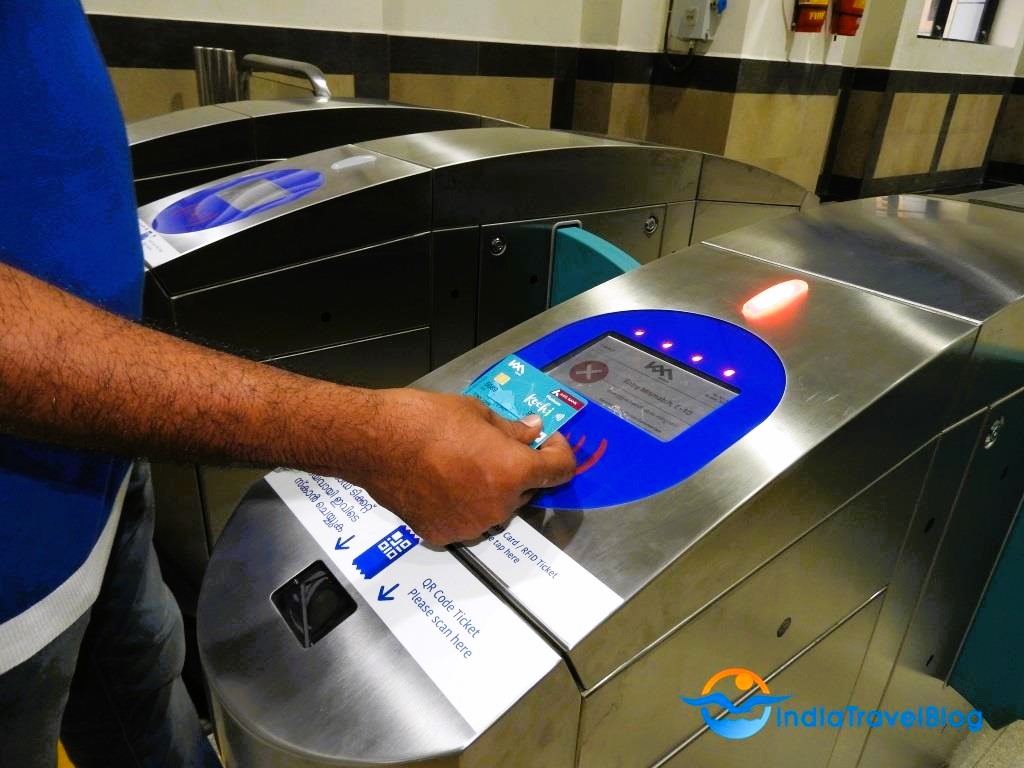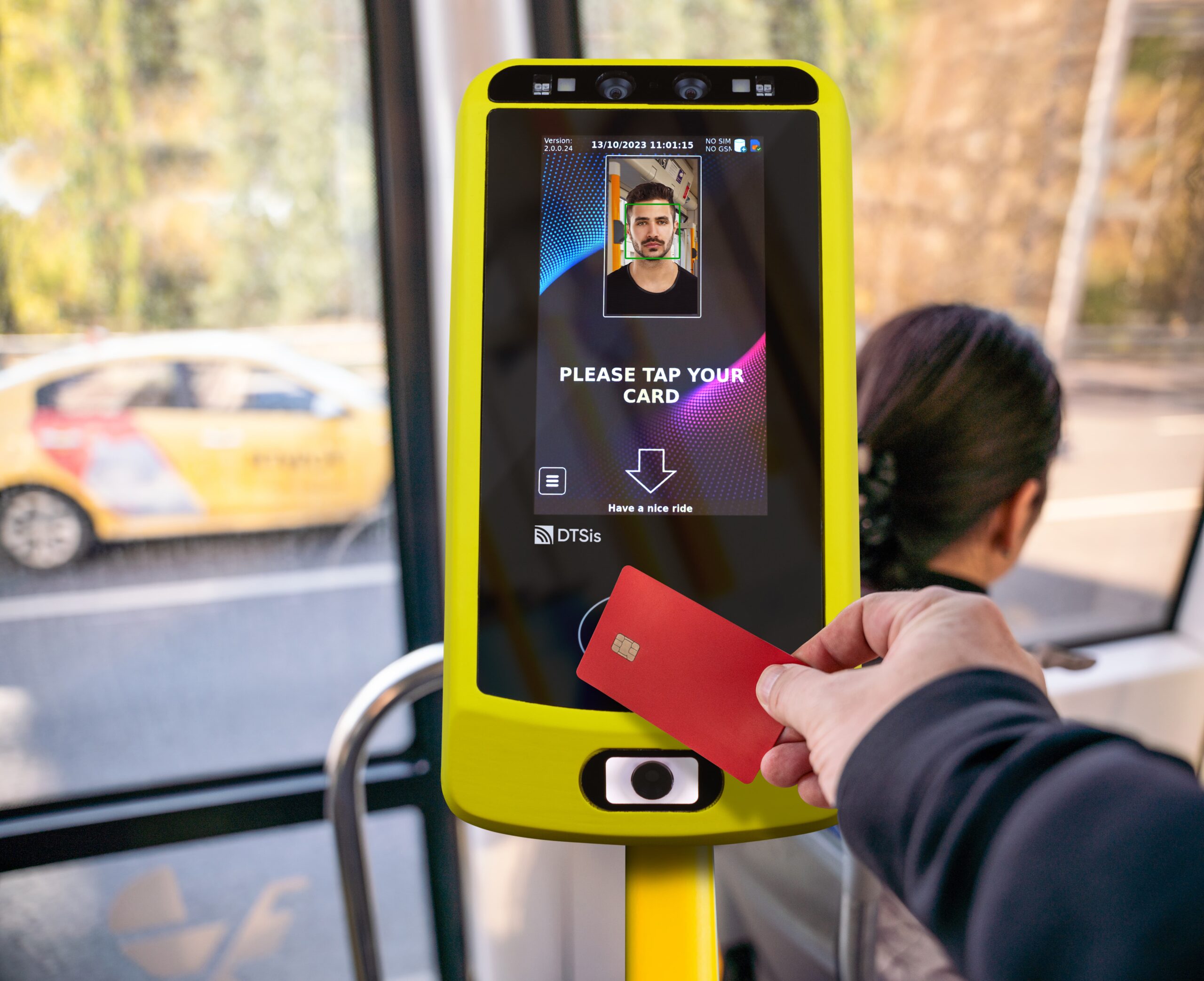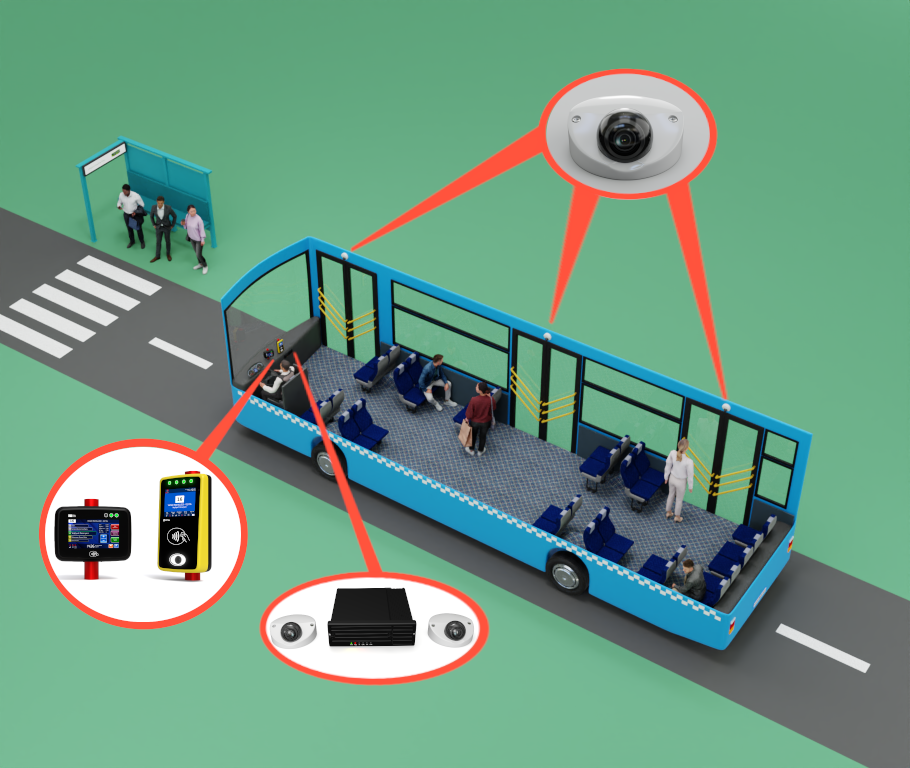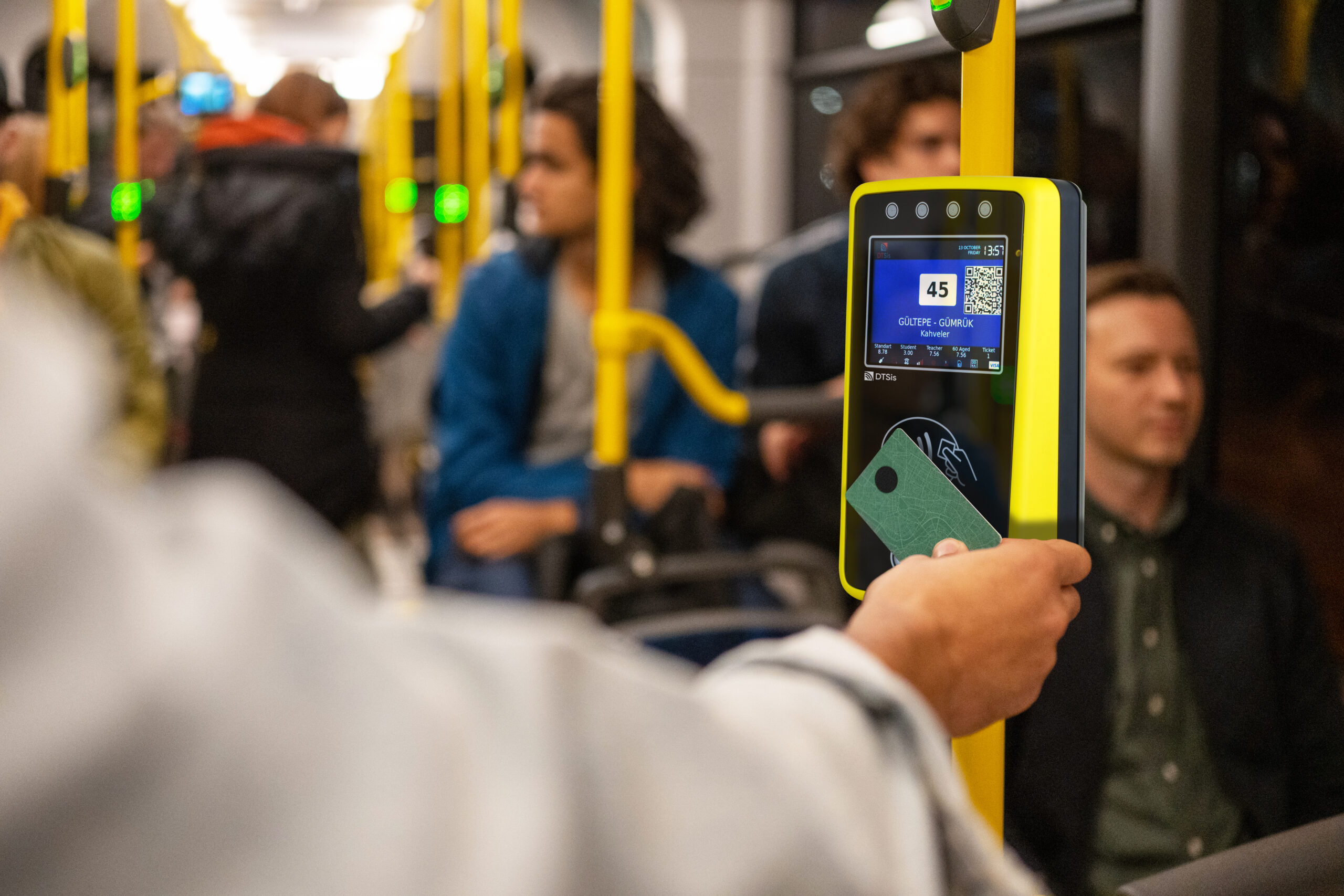

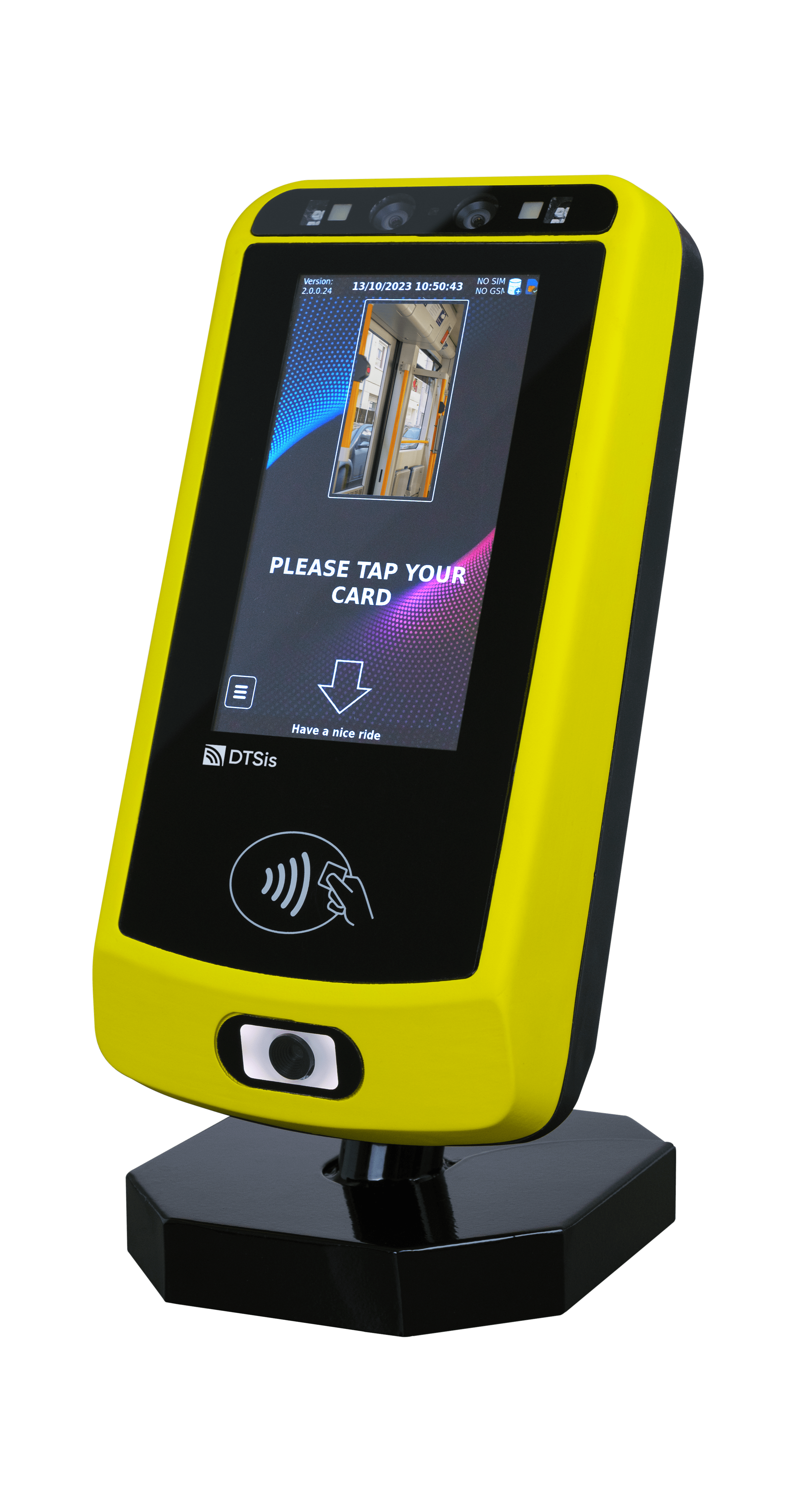
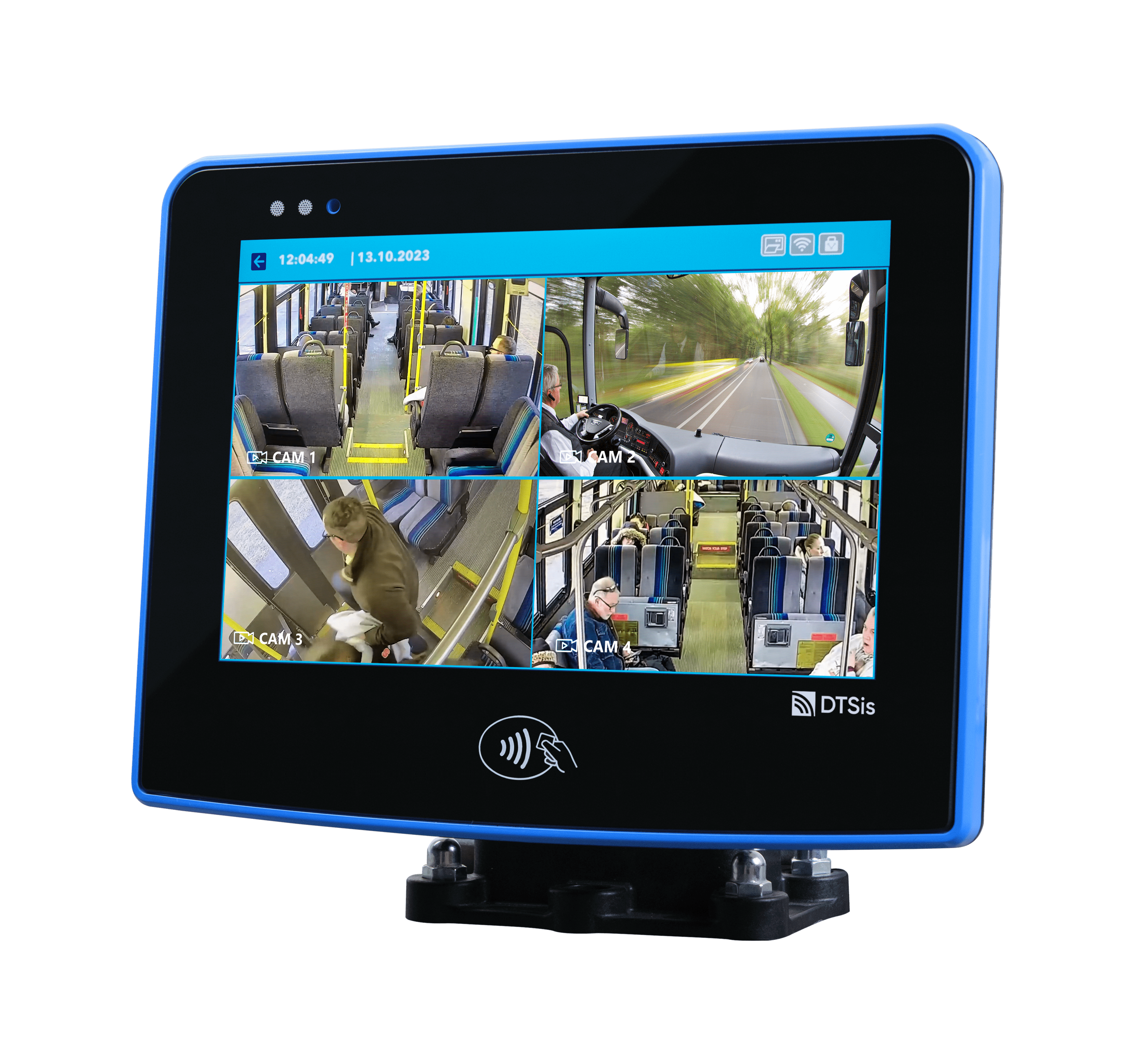
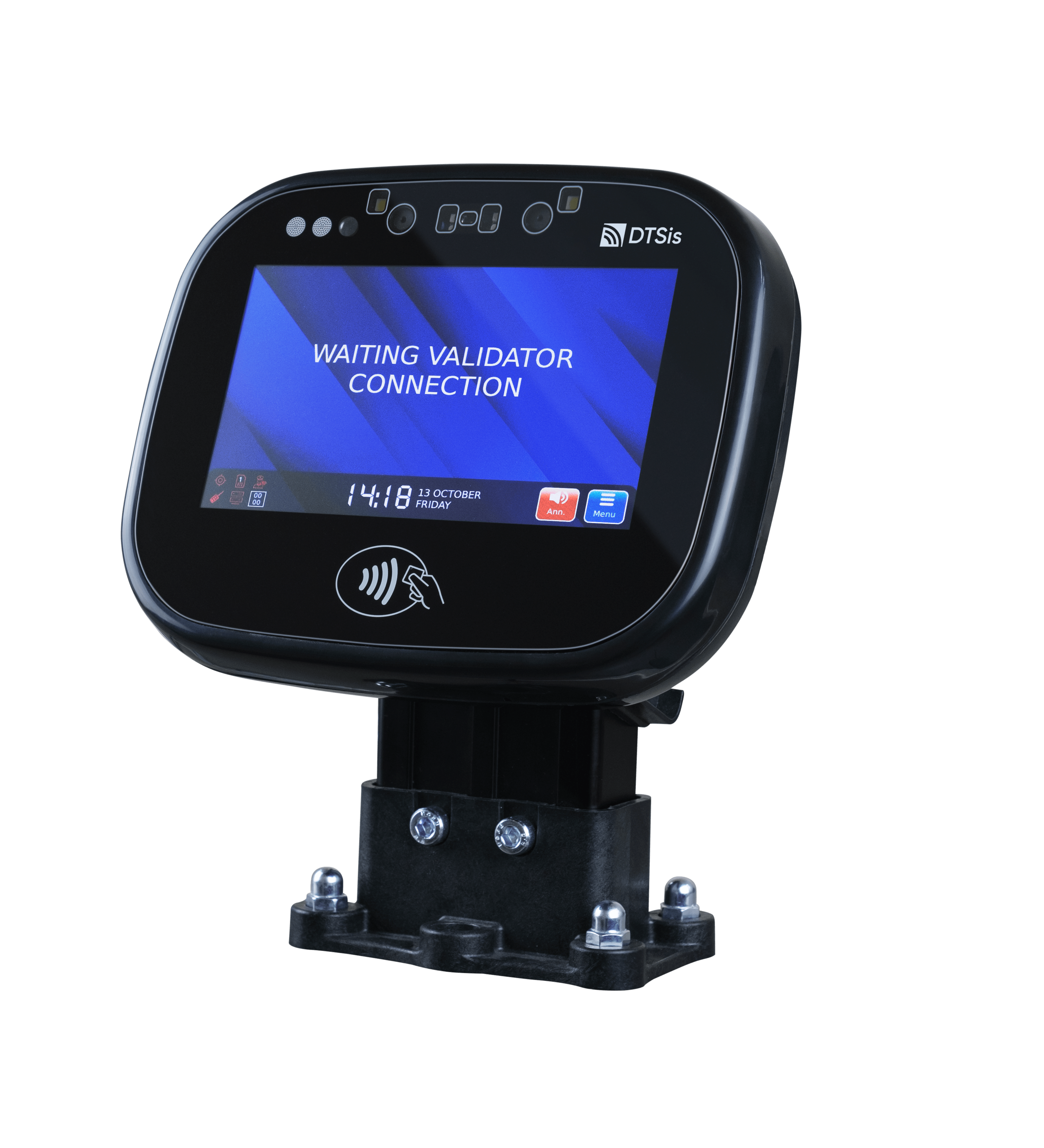

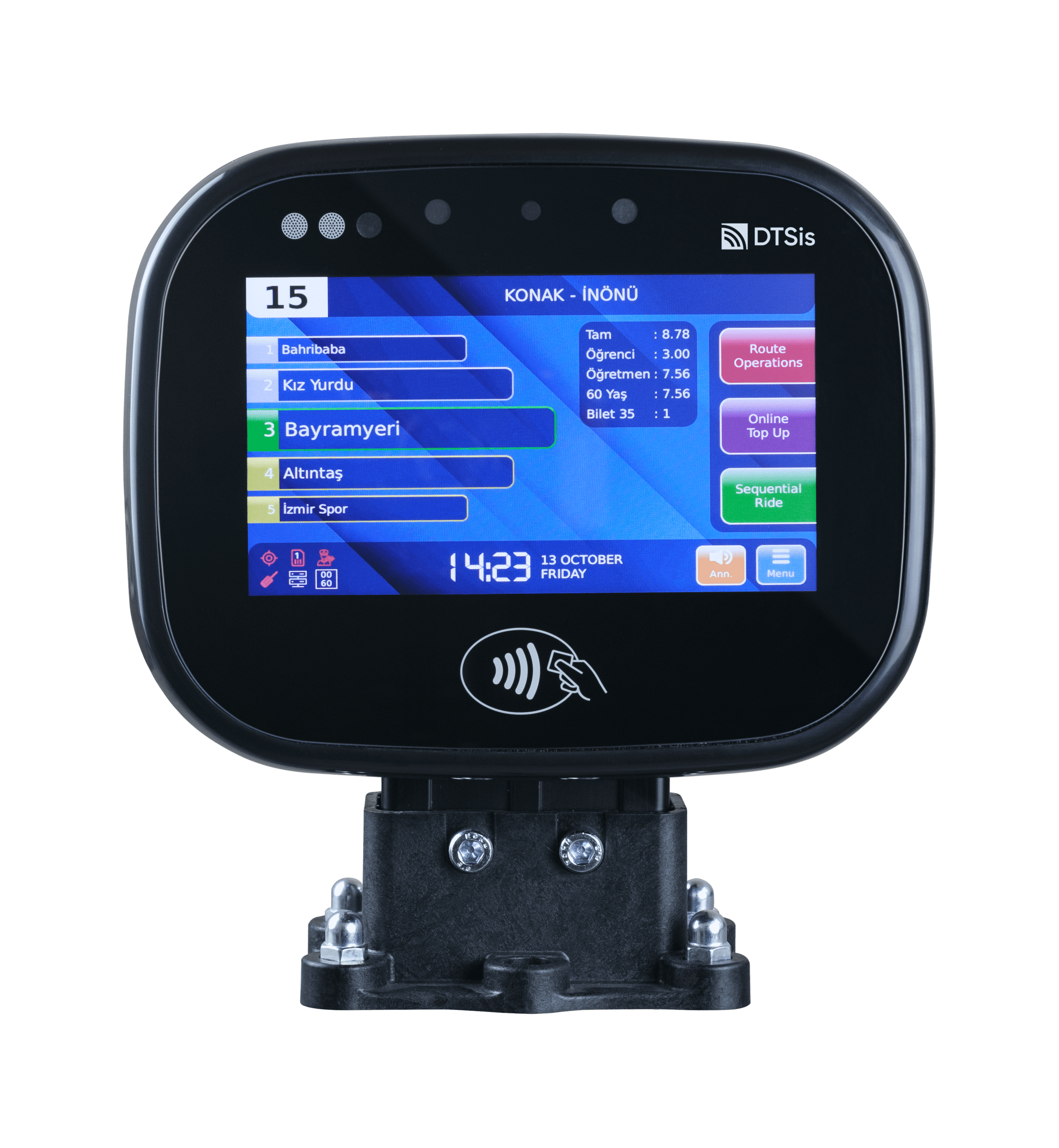

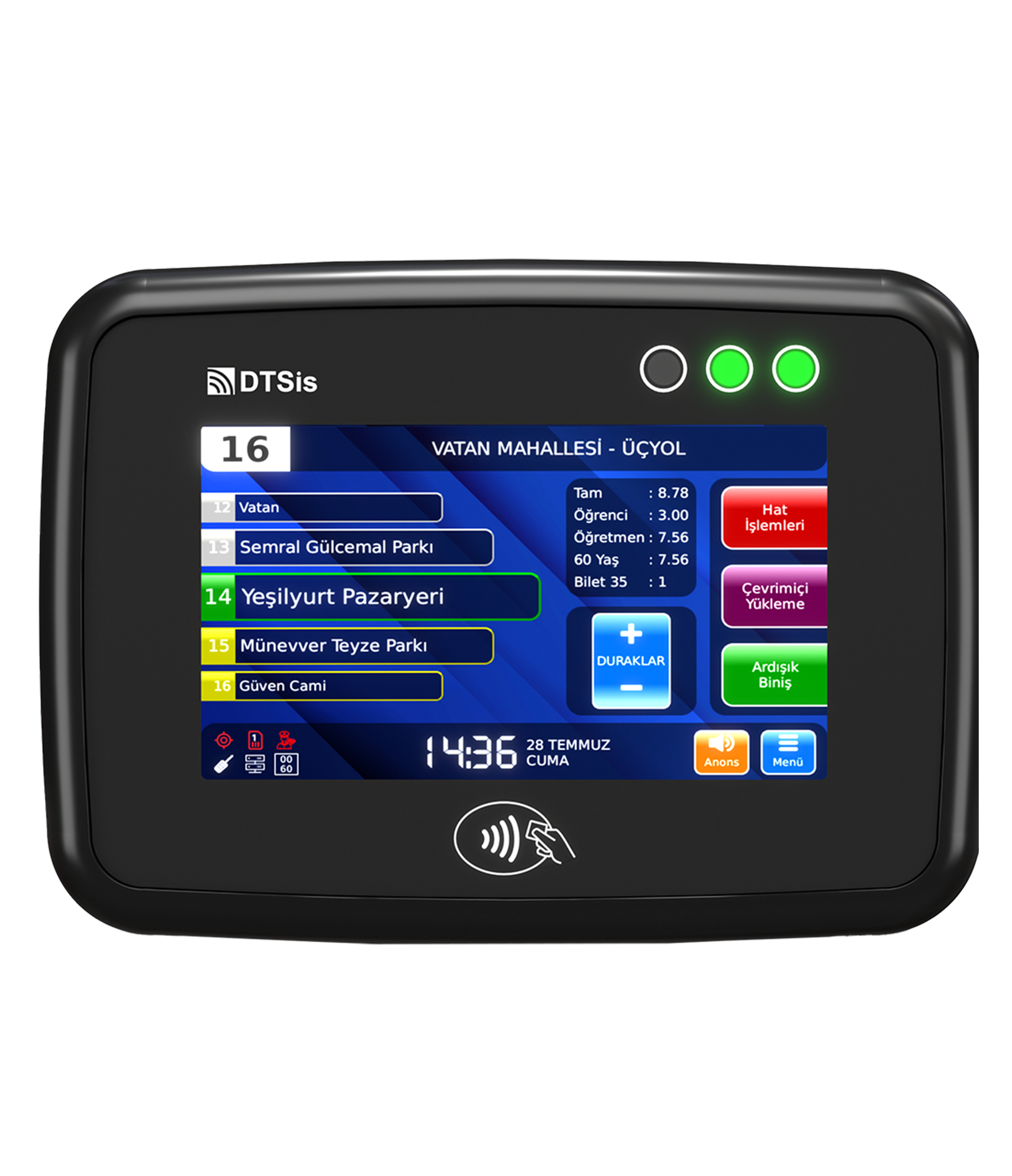
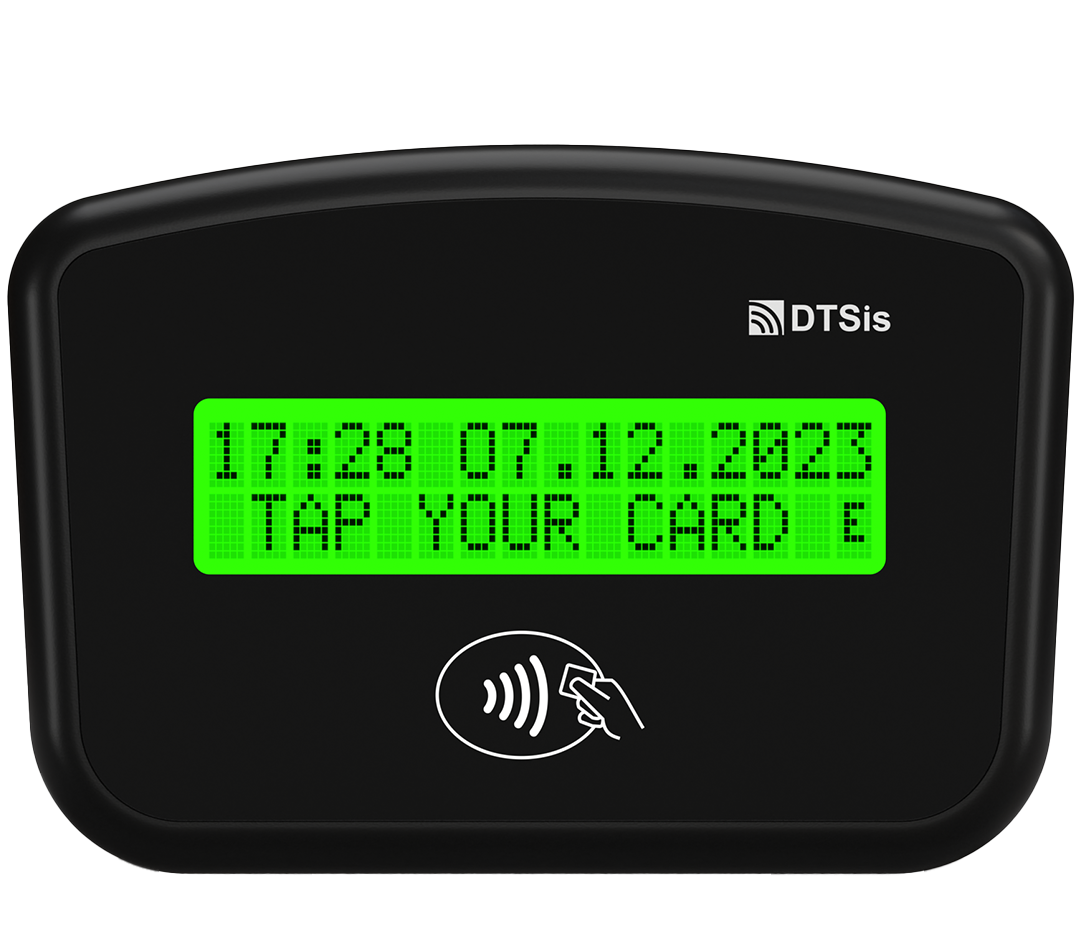
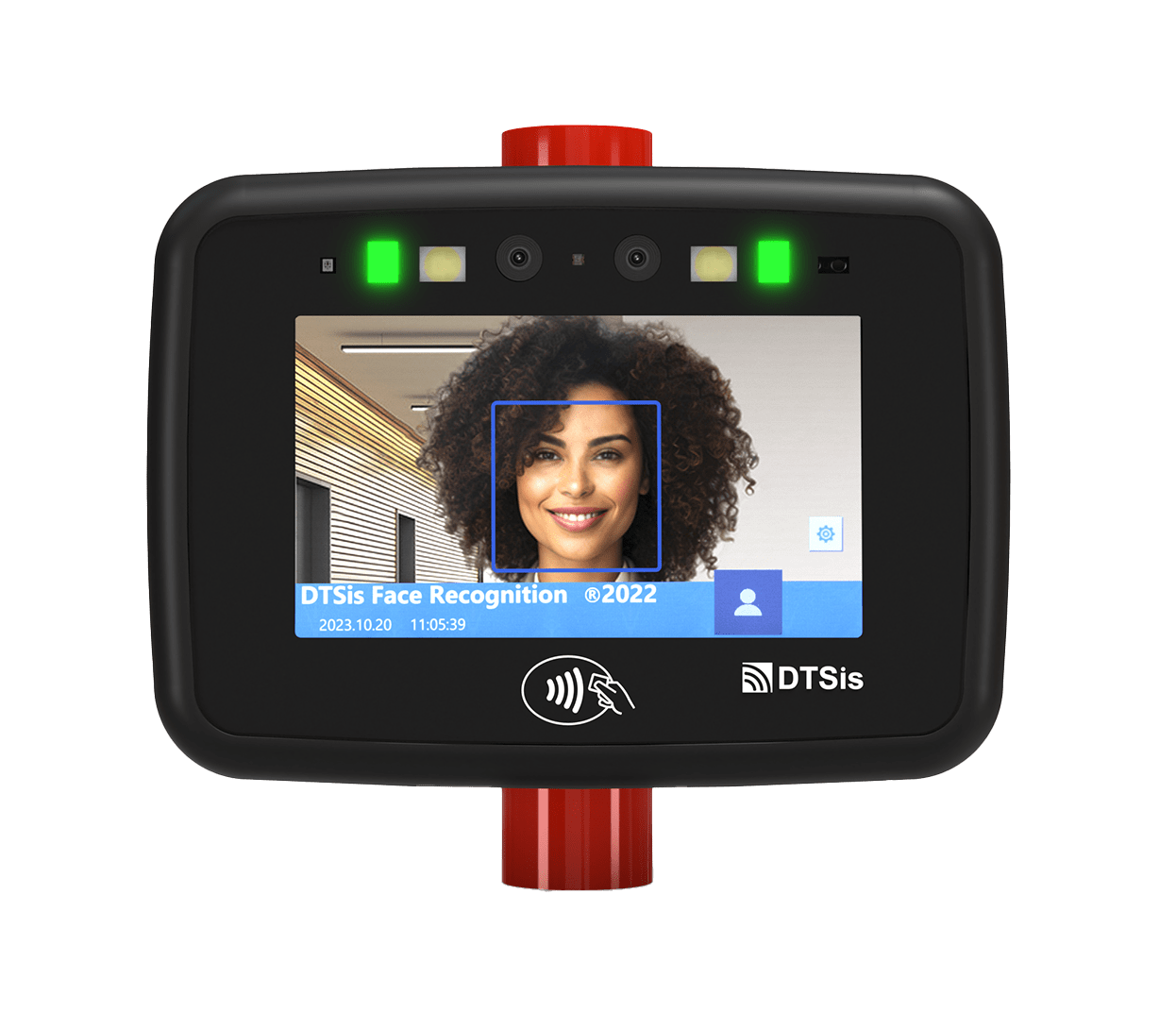


Public transportation is essential to the heartbeat of modern cities. As urban populations continue to swell and transportation demands increase, the need for smarter, more efficient systems has never been greater. Contactless ticketing solutions are playing a crucial role in this transformation, offering the promise of faster, more convenient, and more sustainable travel.
But what are the key considerations when modernizing public transit, and how can companies developing contactless ticketing solutions be a driving force behind this change?
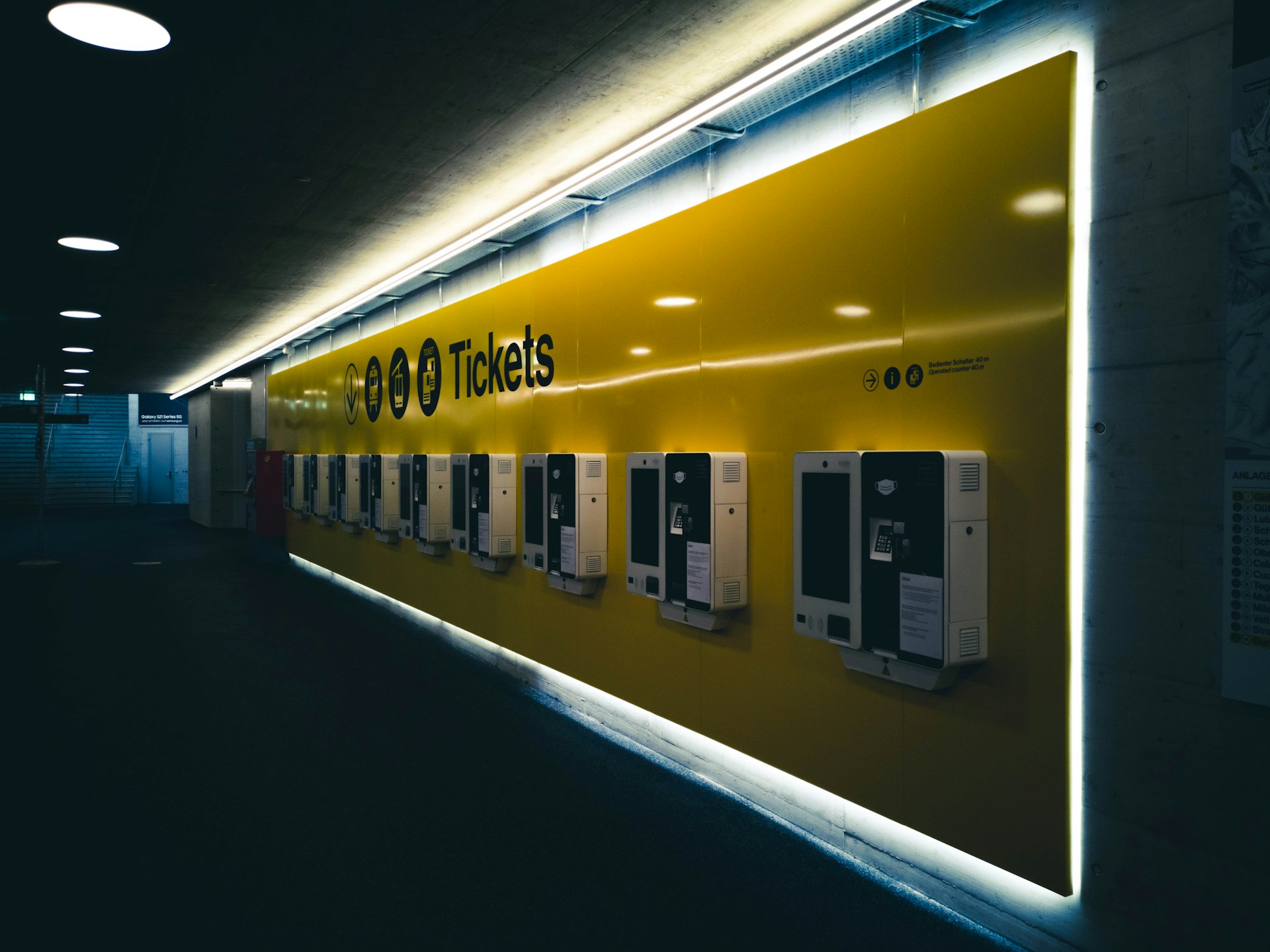
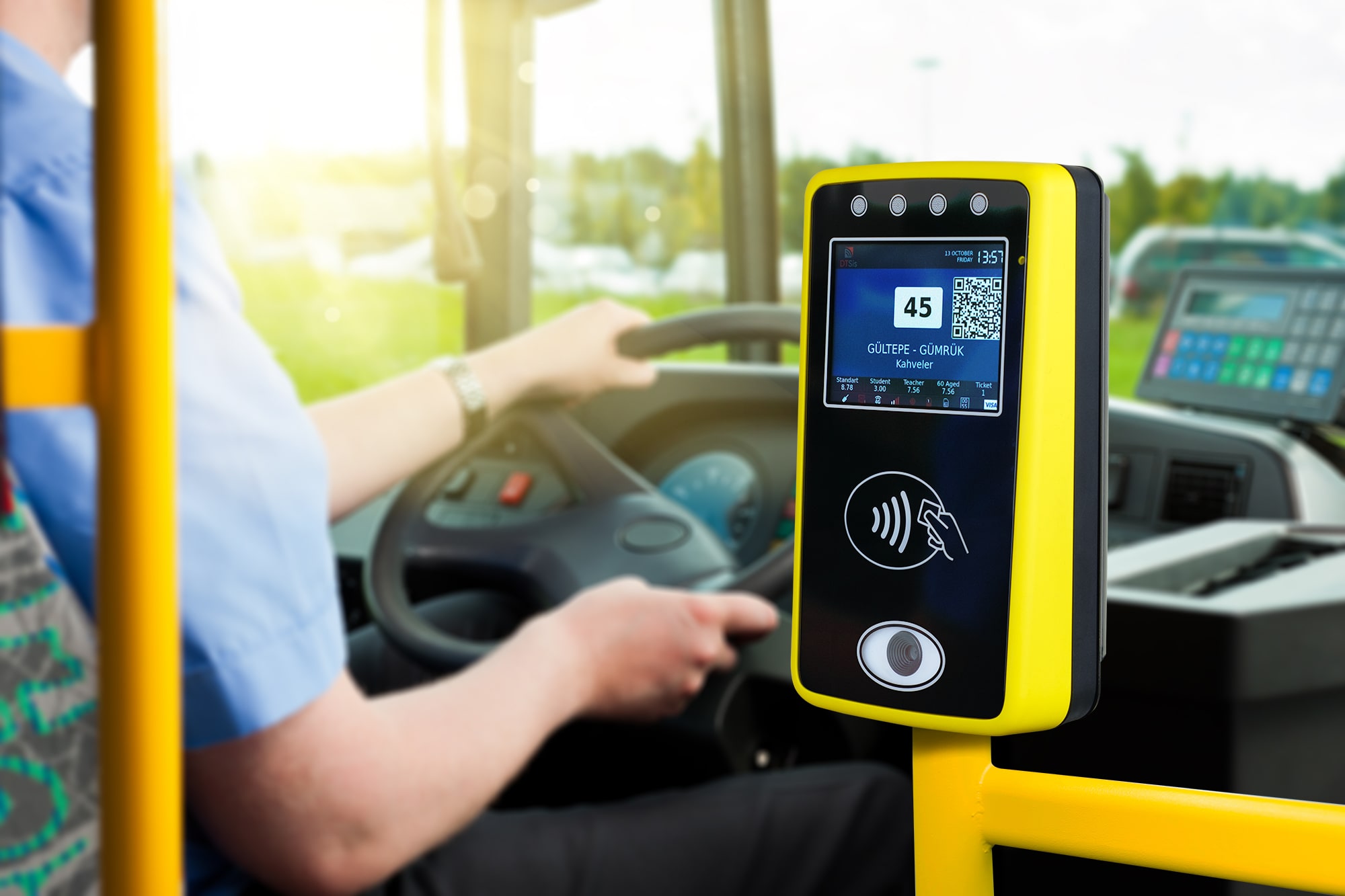
In today’s fast-paced world, efficiency is everything. Passengers expect convenience, speed, and seamless experiences when they use public transit. Traditional ticketing methods—whether cash payments or paper tickets—can slow down the process, create bottlenecks, and lead to longer wait times. A unified ticketing system that allows passengers to pay seamlessly across various modes of transport is essential for improving the flow of urban commuters.
Why It Matters? For public transit authorities, implementing a seamless payment solution improves operational efficiency. For passengers, it’s all about speed and convenience—two elements that have become crucial in the post-pandemic era, where time and hygiene are of the essence.
The Opportunity: Contactless ticketing systems are not just about making payments easier—they’re about improving the whole travel experience. Companies that develop intuitive, user-friendly platforms can significantly enhance passenger satisfaction, leading to increased ridership and loyalty.
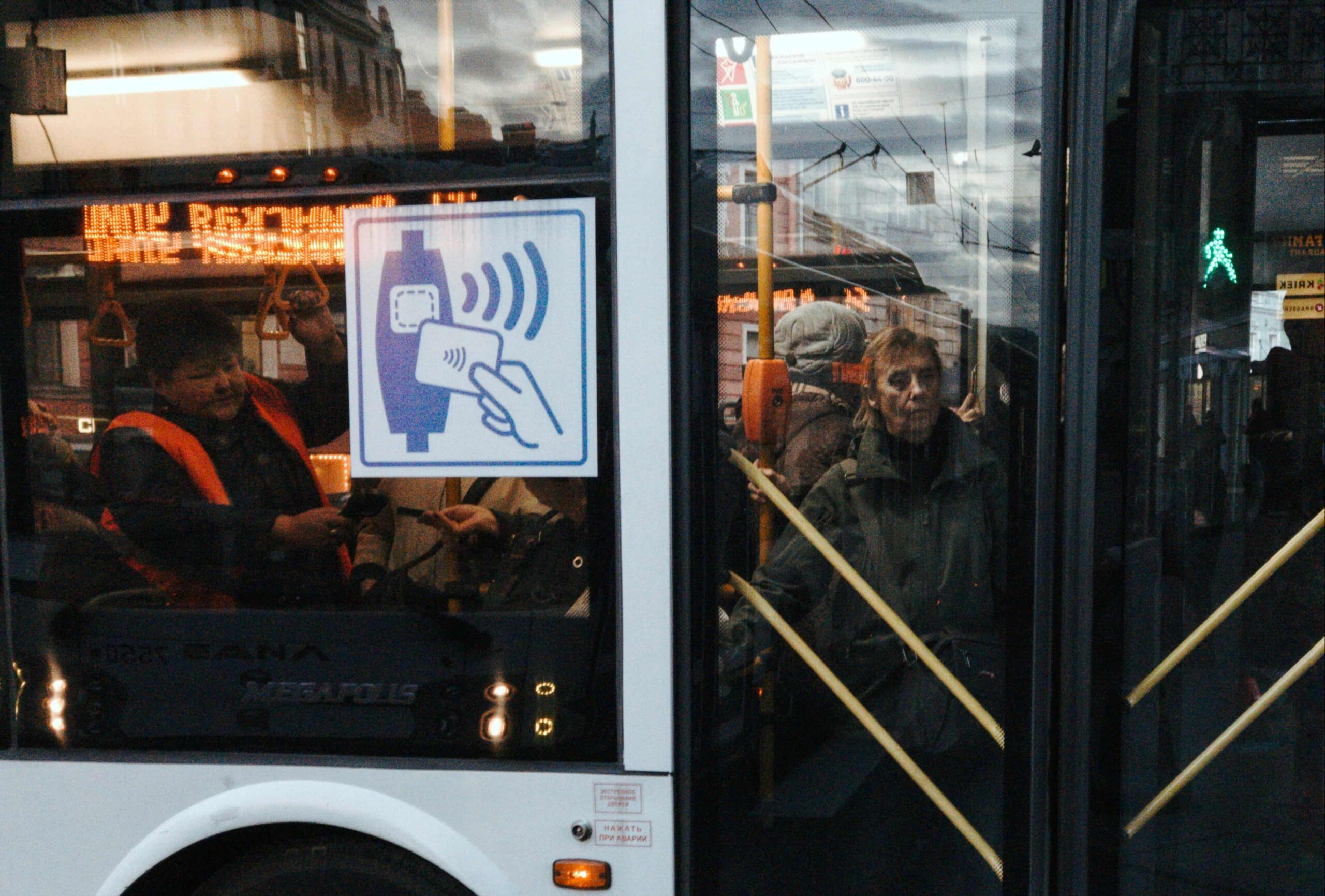
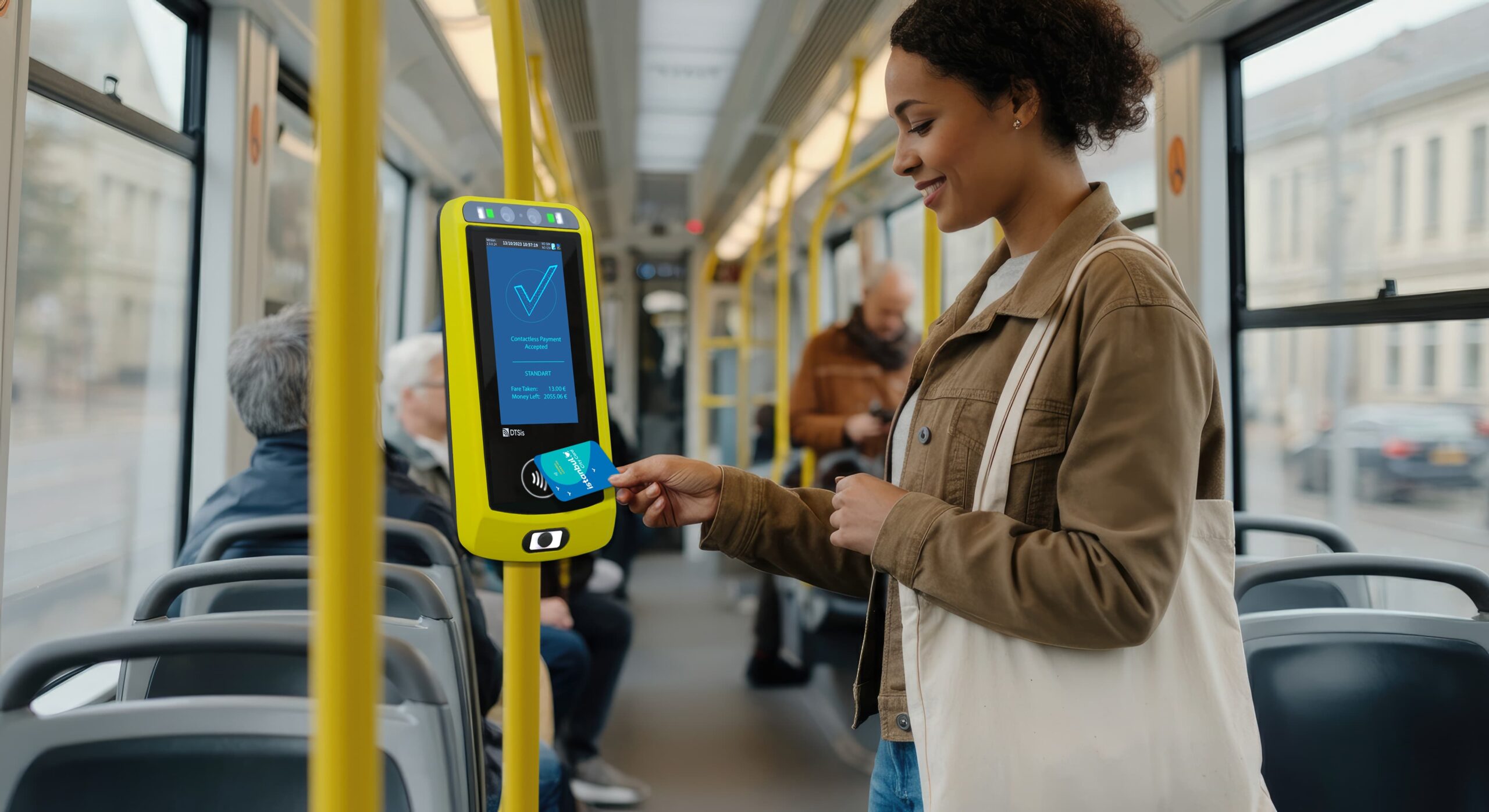
Sustainability: Building a Greener, More Efficient System
Sustainability isn’t just a buzzword—it’s a necessity for the future of urban transit. As cities face mounting environmental challenges, there’s growing pressure to reduce carbon footprints, minimize waste, and optimize transportation efficiency. Modernizing public transit systems with green technologies is a step in the right direction, and contactless ticketing can play a role in driving those efforts forward.
Contactless payments are reshaping urban mobility by quietly eliminating one of transit’s biggest inefficiencies- paper. Every digital transaction replaces a printed ticket, reducing waste and conserving valuable resources. As cities move toward fully digital fare systems, the environmental footprint of ticketing infrastructure shrinks—often dramatically.
This shift matters more than it may seem. Public transportation is a significant source of urban carbon emissions, and efficiency gains at scale can make a real difference. Contactless ticketing not only streamlines passenger flow and system operations, but also supports broader sustainability goals by cutting waste and optimizing transit performance.
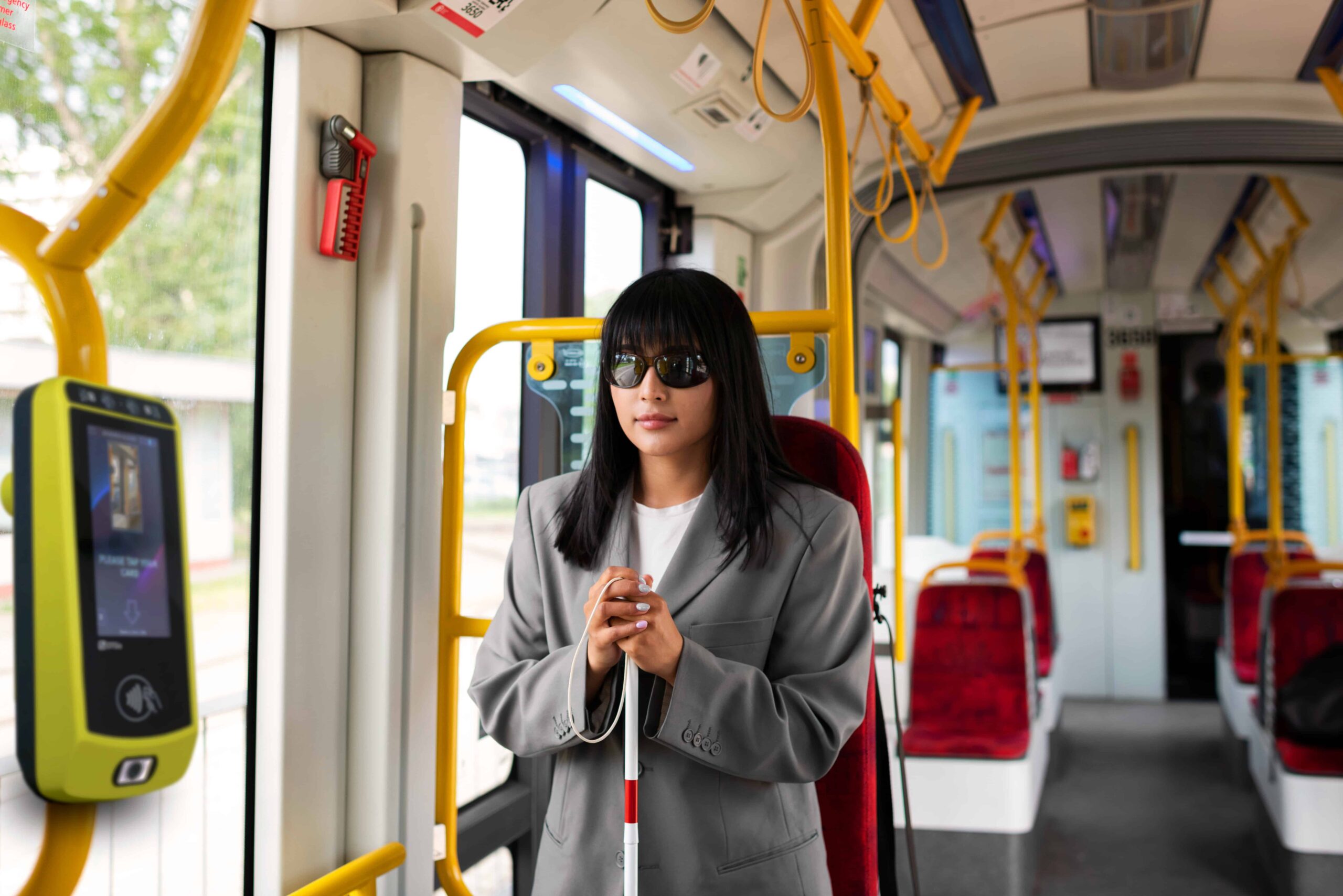
Accessibility: Making Public Transit Inclusive for All
Public transit systems are meant to be accessible to everyone—whether you’re a commuter, a tourist, or someone with limited mobility. Yet, despite advancements, many systems still fall short when it comes to accessibility. Modernizing these systems means ensuring that every passenger, regardless of age, ability, or background, can navigate the transit network with ease.
Contactless ticketing can play a key role in making transit more accessible. Not only is it easy to use, but it also offers options for travelers with disabilities. For instance, audio cues, large print displays, and multi-language support can make the ticketing process more inclusive.