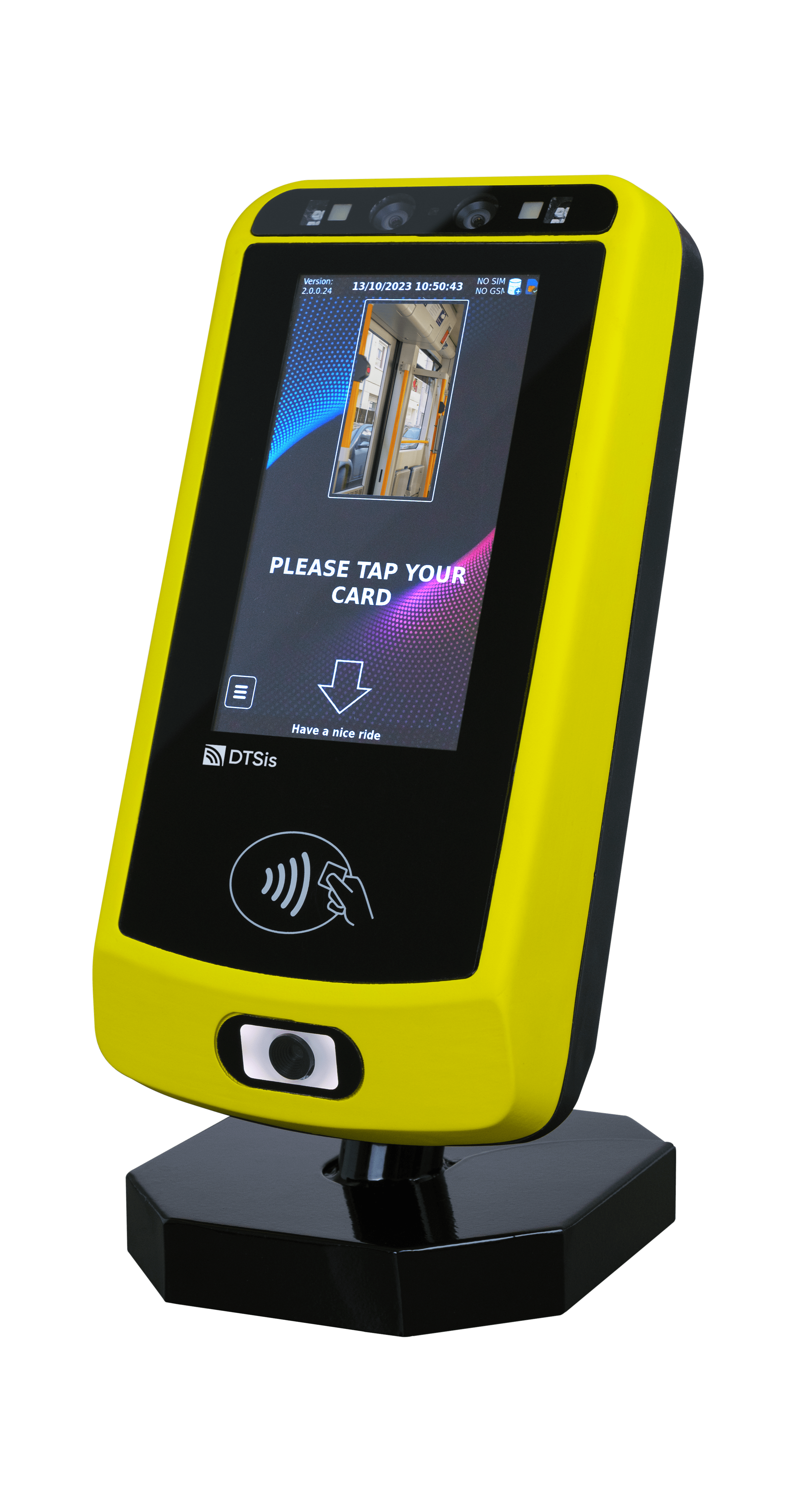

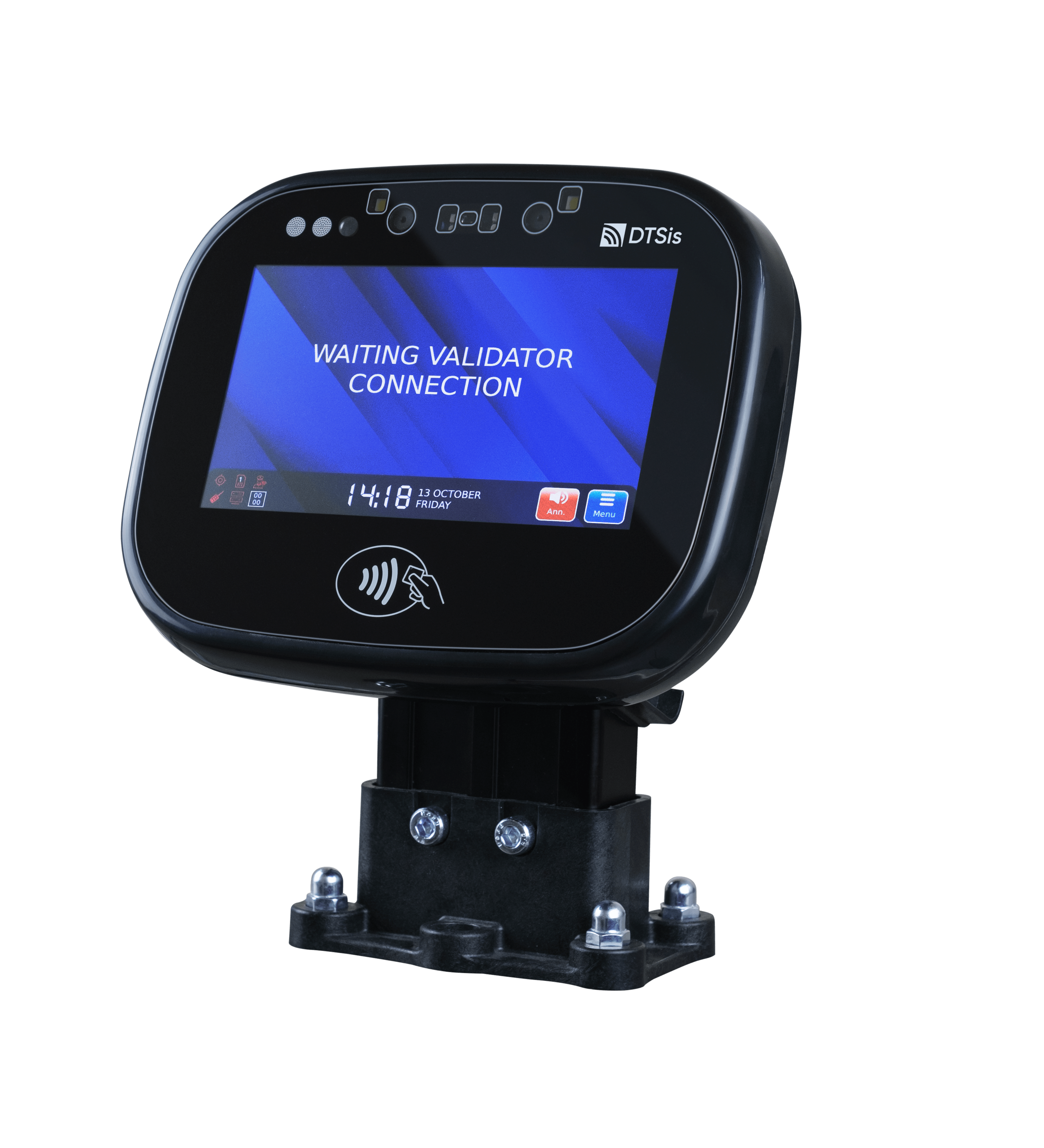

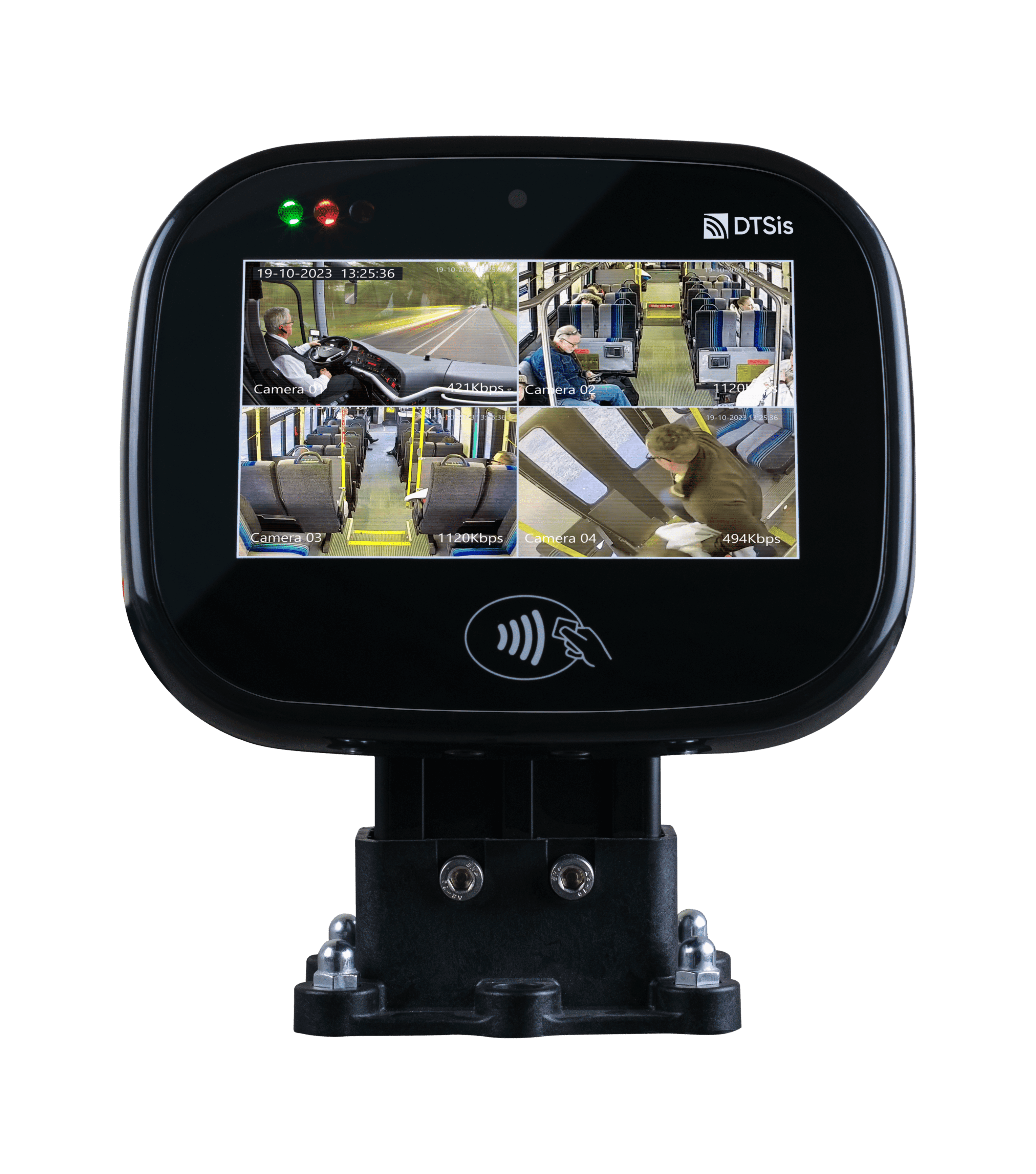
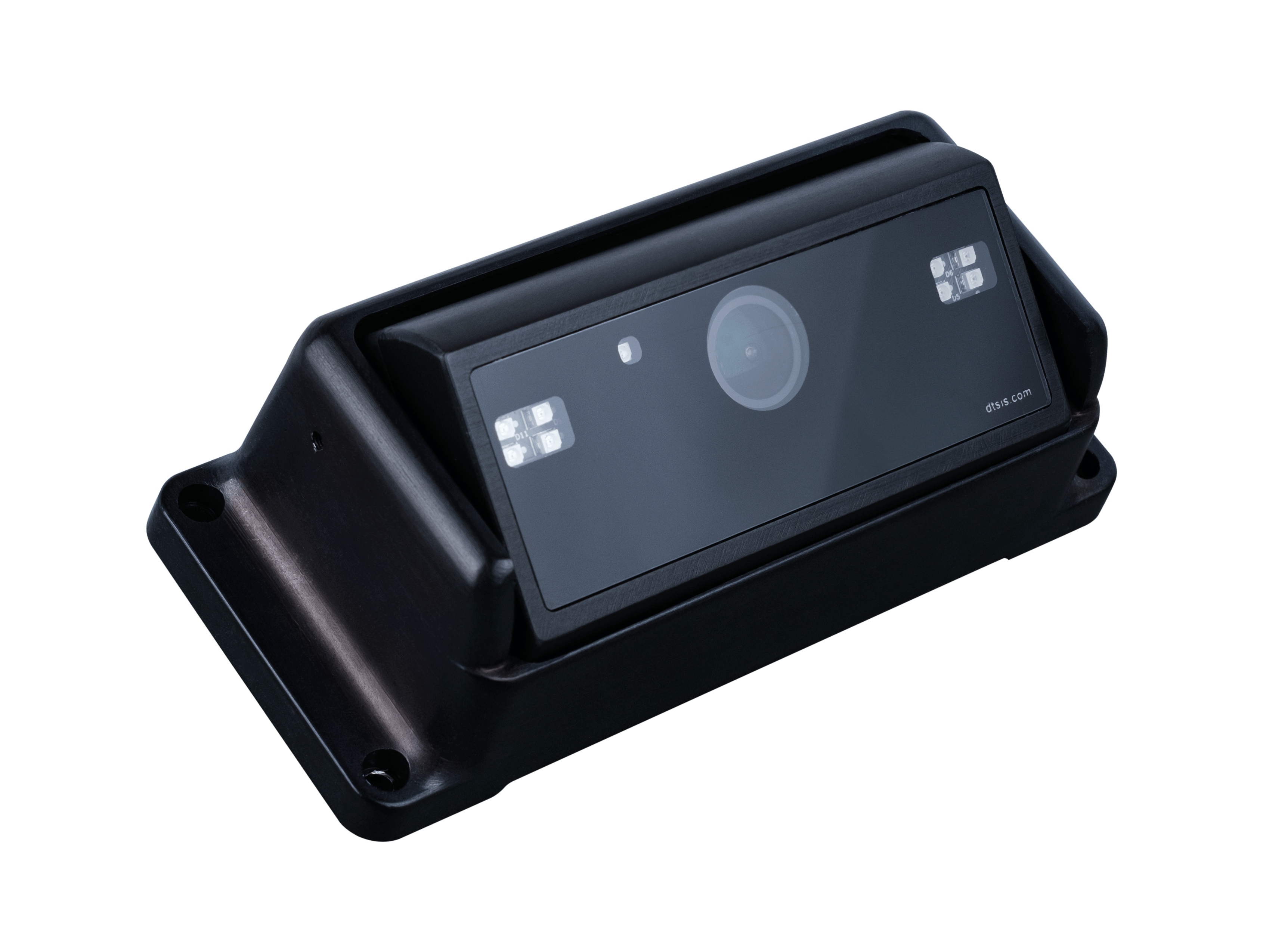
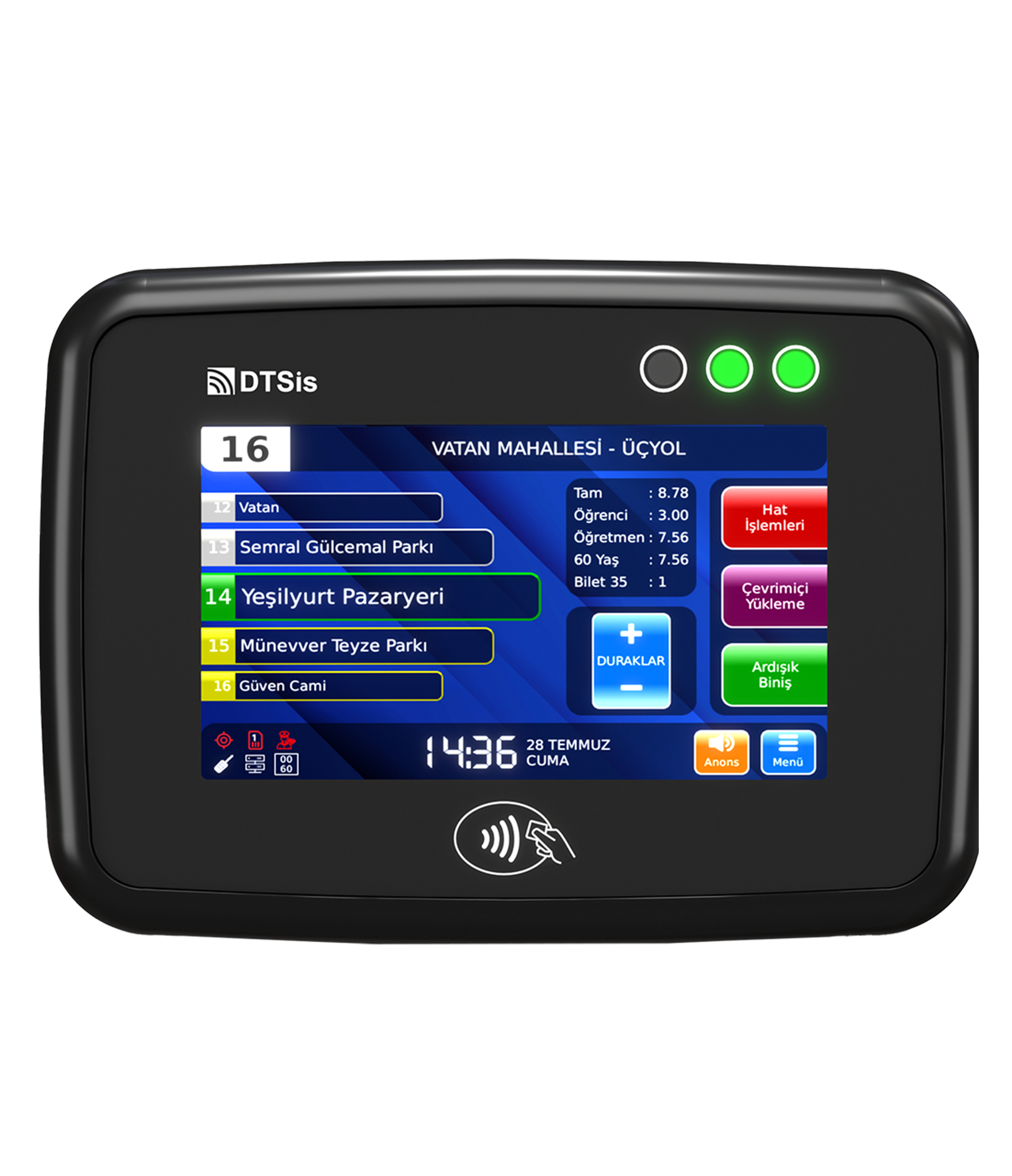
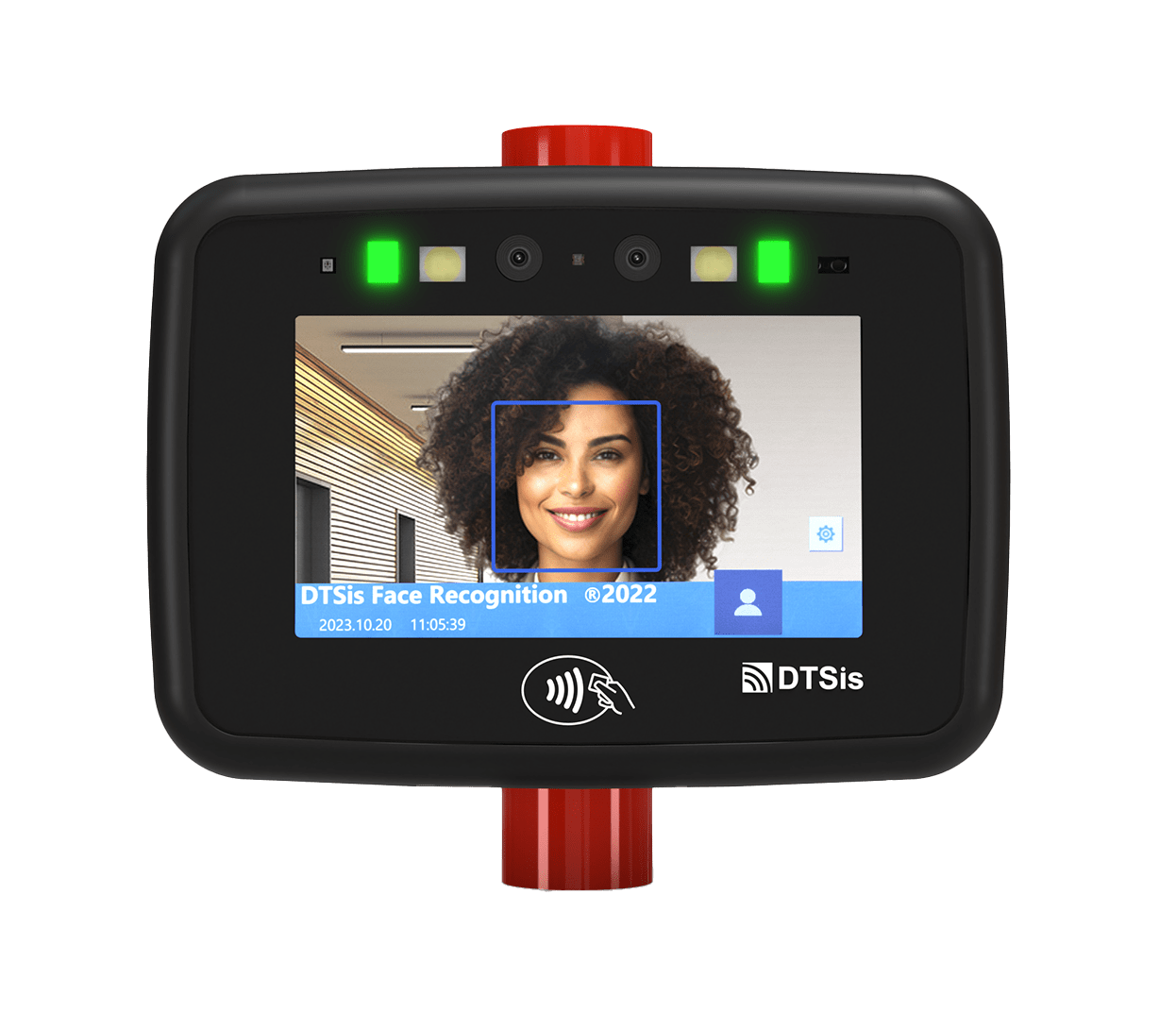


Contactless systems are becoming an essential part of everyday life across many sectors, including public transportation, access control, retail, and banking. This rapid adoption also brings an important responsibility: ensuring that these systems are reliable, durable, and long-lasting. These factors, which directly influence user experience, are closely linked to the technical precautions taken—especially during the manufacturing stage.
What Is ESD?
Electrostatic Discharge (ESD) occurs when an electric current suddenly flows between two objects with different electrostatic potentials. This discharge can happen through direct contact or via an electrostatic field, and it can cause serious damage to sensitive electronic components.
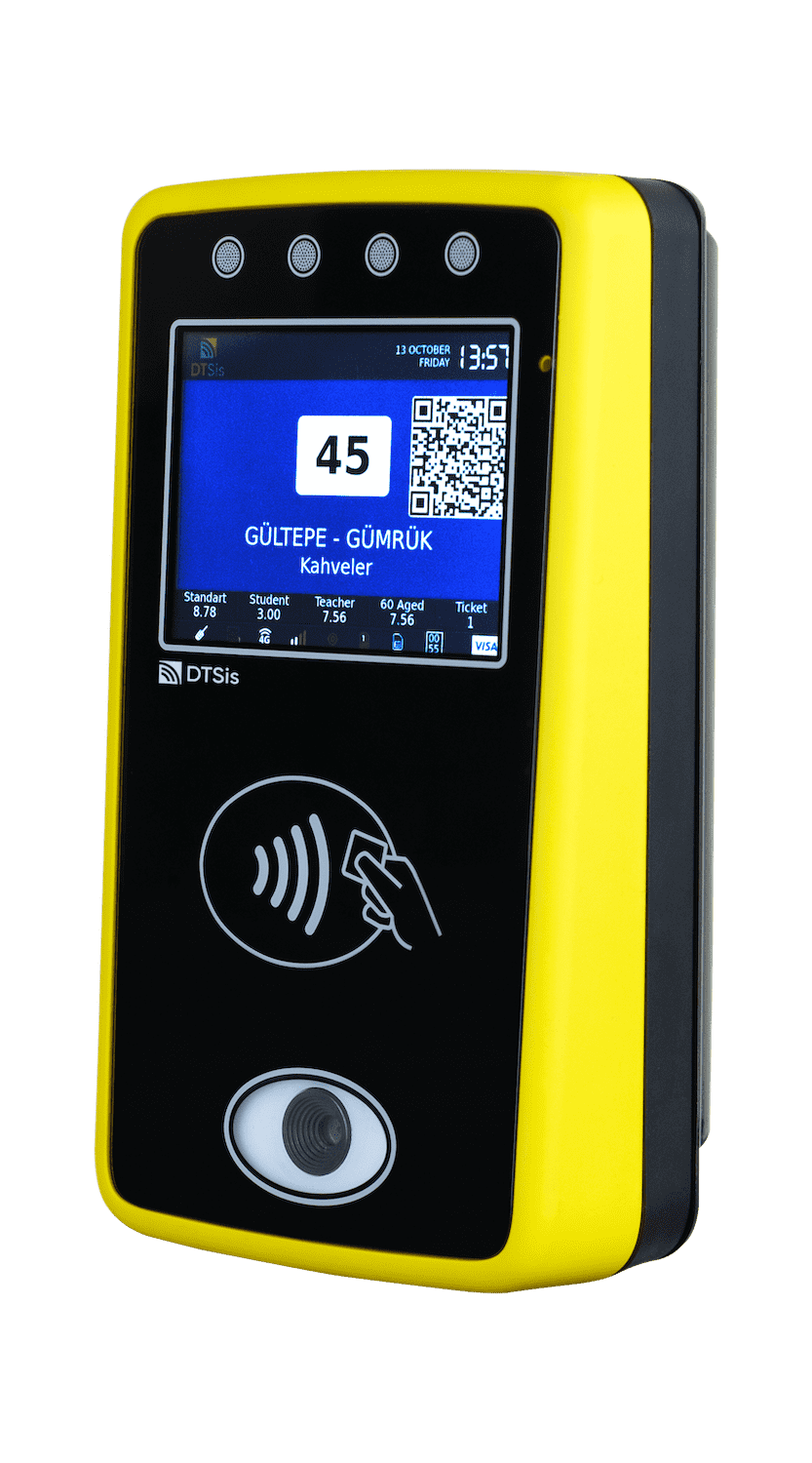
In contactless systems such as NFC (Near Field Communication) and RFID (Radio Frequency Identification), ESD represents a significant risk factor. Electrostatic discharges can lead to device malfunctions, performance degradation, or even complete system failure. For this reason, ESD protection plays a critical role in ensuring the reliability and continuity of contactless technologies.
Risks of ESD in Contactless Technologies
Without proper ESD protection, contactless systems may face the following issues:
Data errors: Communication between the card and the reader may be interrupted
Component damage: RFID/NFC electronic components may suffer permanent damage
Reduced product lifespan: Repeated ESD events accelerate component wear
Bu durumlar sistem güvenilirliğini ve kullanım sürekliliğini olumsuz etkiler.

Why Are Contactless Systems Sensitive to ESD?
Contactless systems rely on electronic circuits, antennas, and microcontrollers that enable wireless communication. These components are highly sensitive to sudden voltage spikes. The main sources of ESD risk include:
Human interaction: Static electricity can unintentionally build up when users bring cards, wearables, or devices close to readers
Environmental factors: Dry, low-humidity environments increase static charge accumulation and the likelihood of discharge
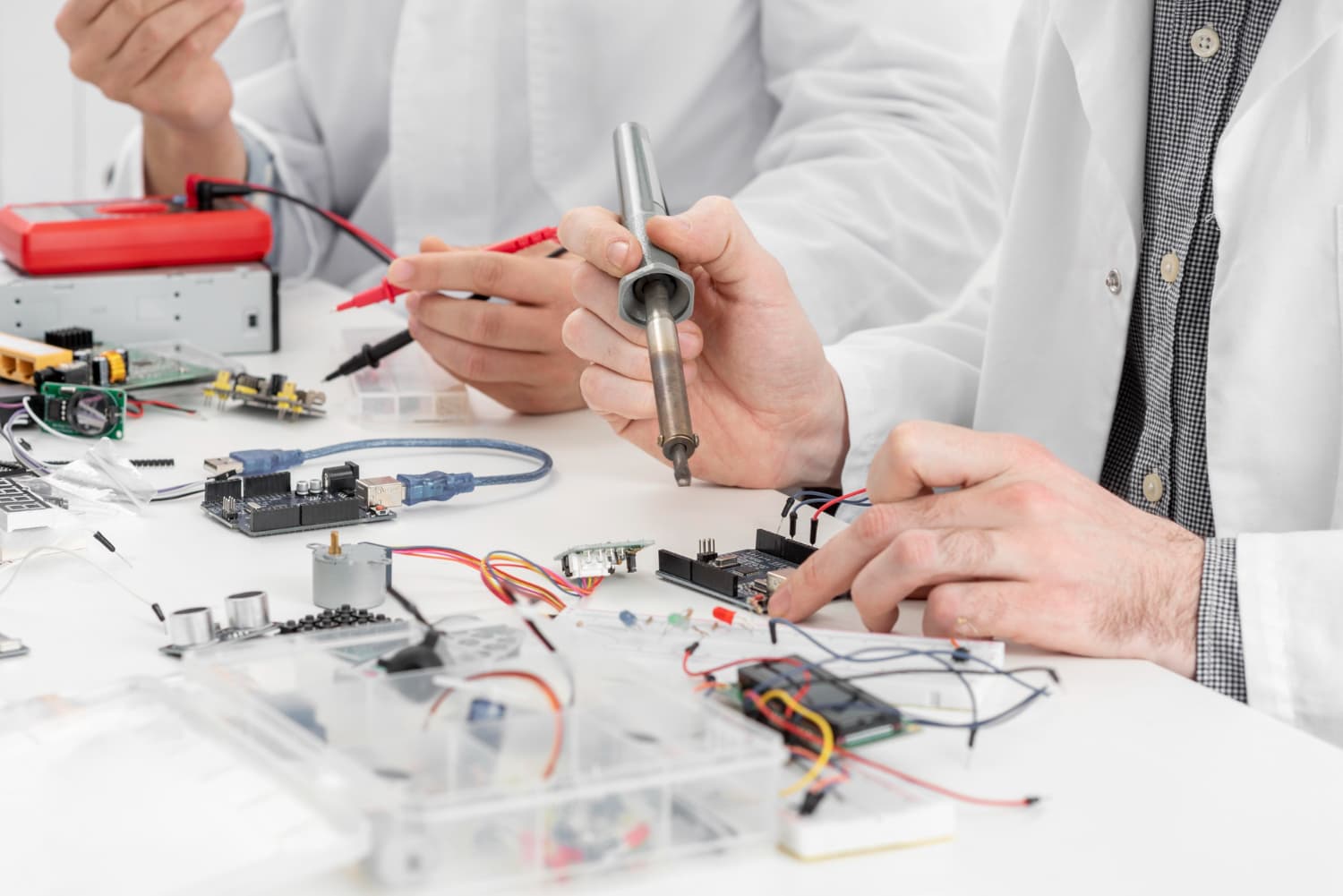
Manufacturing processes: Components may accumulate static energy during assembly, transportation, or packaging, which can be released in a damaging way
These factors make ESD protection essential throughout the entire lifecycle of contactless systems—from production to field use.

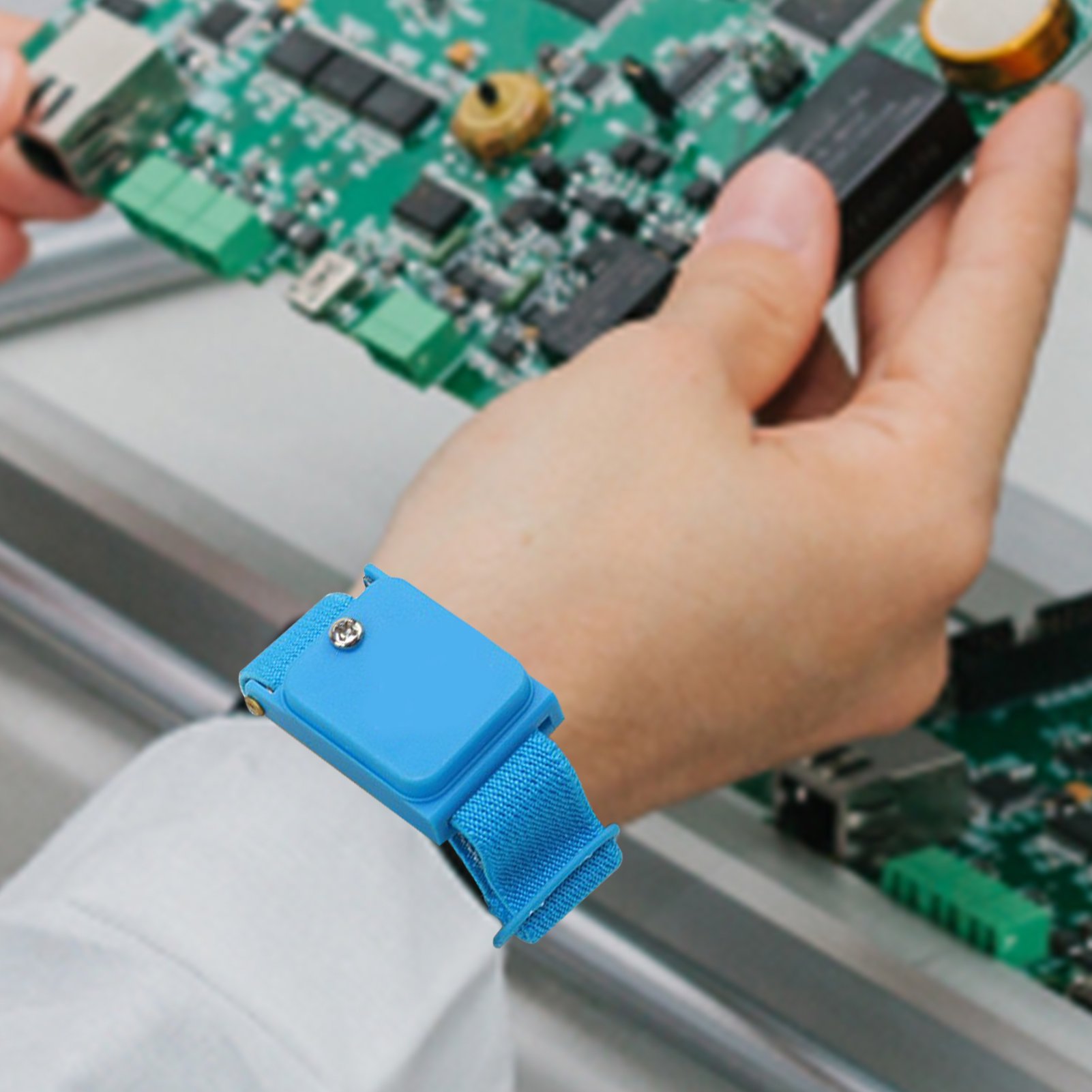
ESD Protection Approaches in Contactless Systems
To prevent ESD-related damage, several fundamental measures are implemented during manufacturing. ESD-safe work environments help minimize static electricity, while protective electronic components suppress sudden voltage spikes. Optimized PCB designs improve ESD resistance, and ESD-resistant materials prevent static charge buildup. In addition, compliance with international testing standards ensures product reliability and long-term performance. Together, these measures significantly enhance the safety and durability of contactless systems.
Commitment to Quality and Continuous Improvement
We view quality not merely as a goal, but as a core culture that guides every stage of our production process. With a manufacturing approach fully aligned with industry standards, we continuously update our quality policies and integrate the latest technologies and best practices into our operations. This enables us to maintain the highest levels of safety, efficiency, and sustainability from production to end-user delivery.
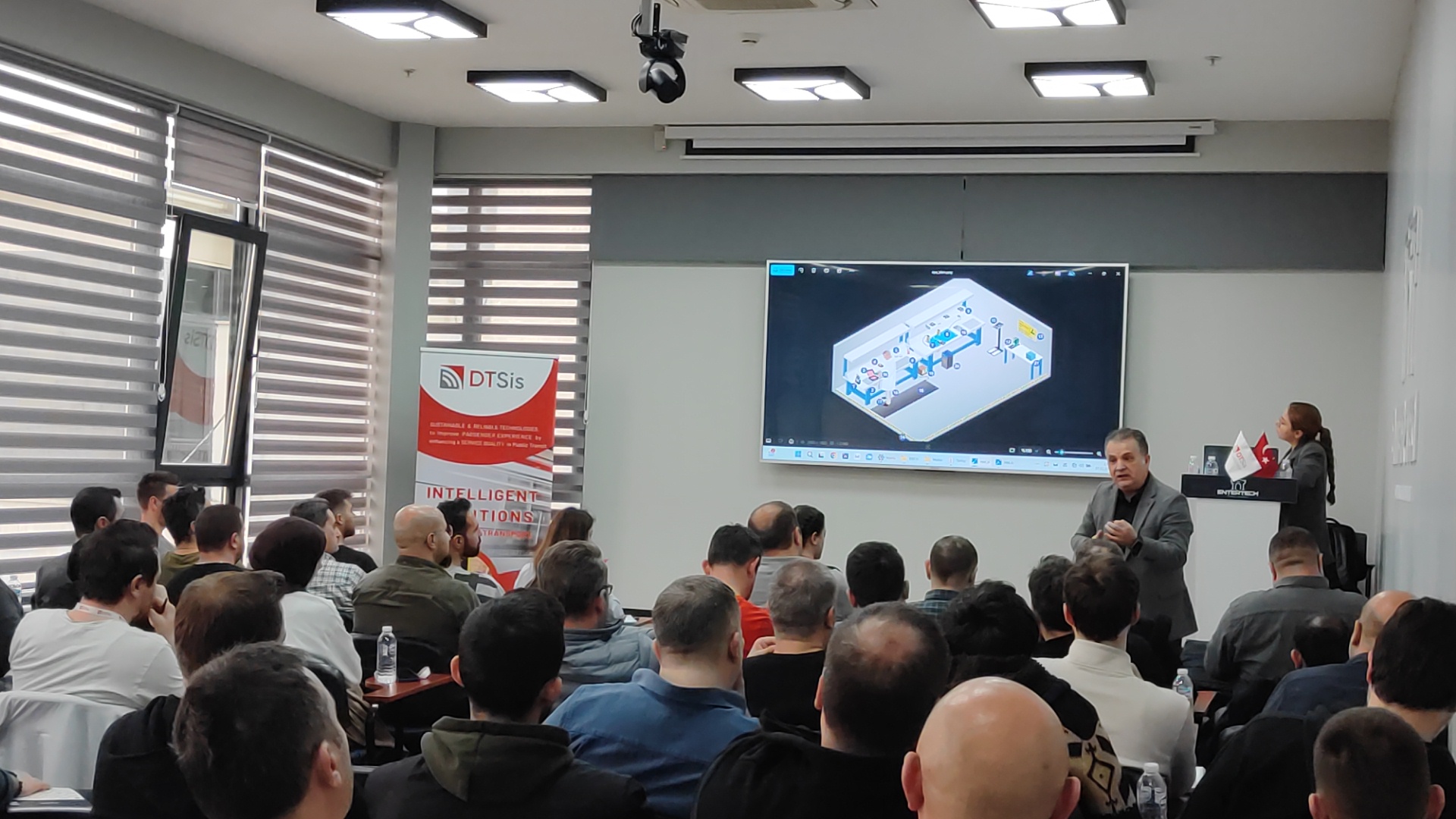
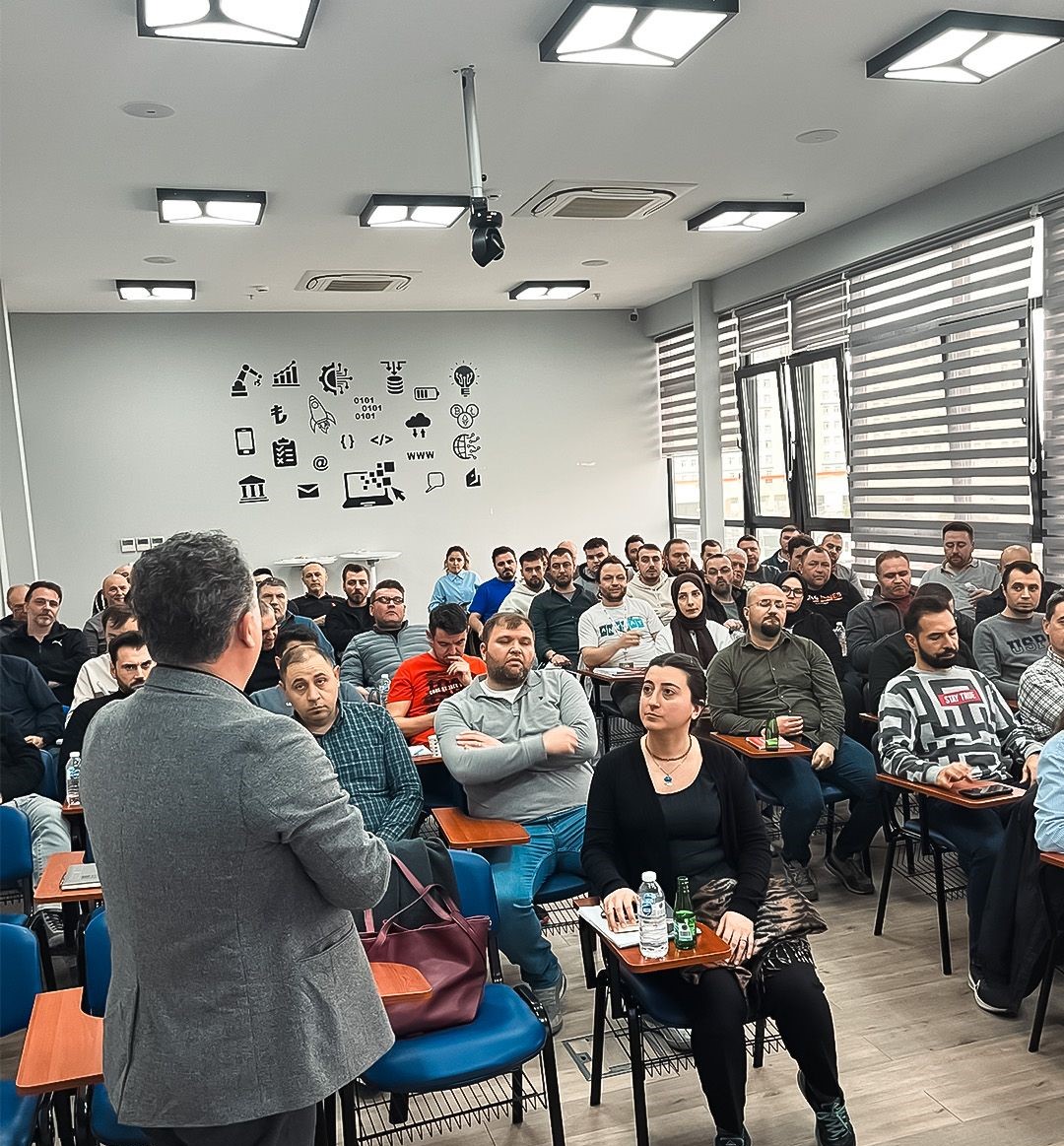
As an integral part of this approach, we manage ESD risks not only through technical measures but also through knowledge and awareness. By providing regular ESD training for our employees, we foster a production environment that anticipates and prevents electrostatic discharge risks. This strengthens our commitment to delivering long-lasting, reliable, and high-performance contactless systems.